Industry Landscape and Global Position
Scale of the Manufacturing Sector
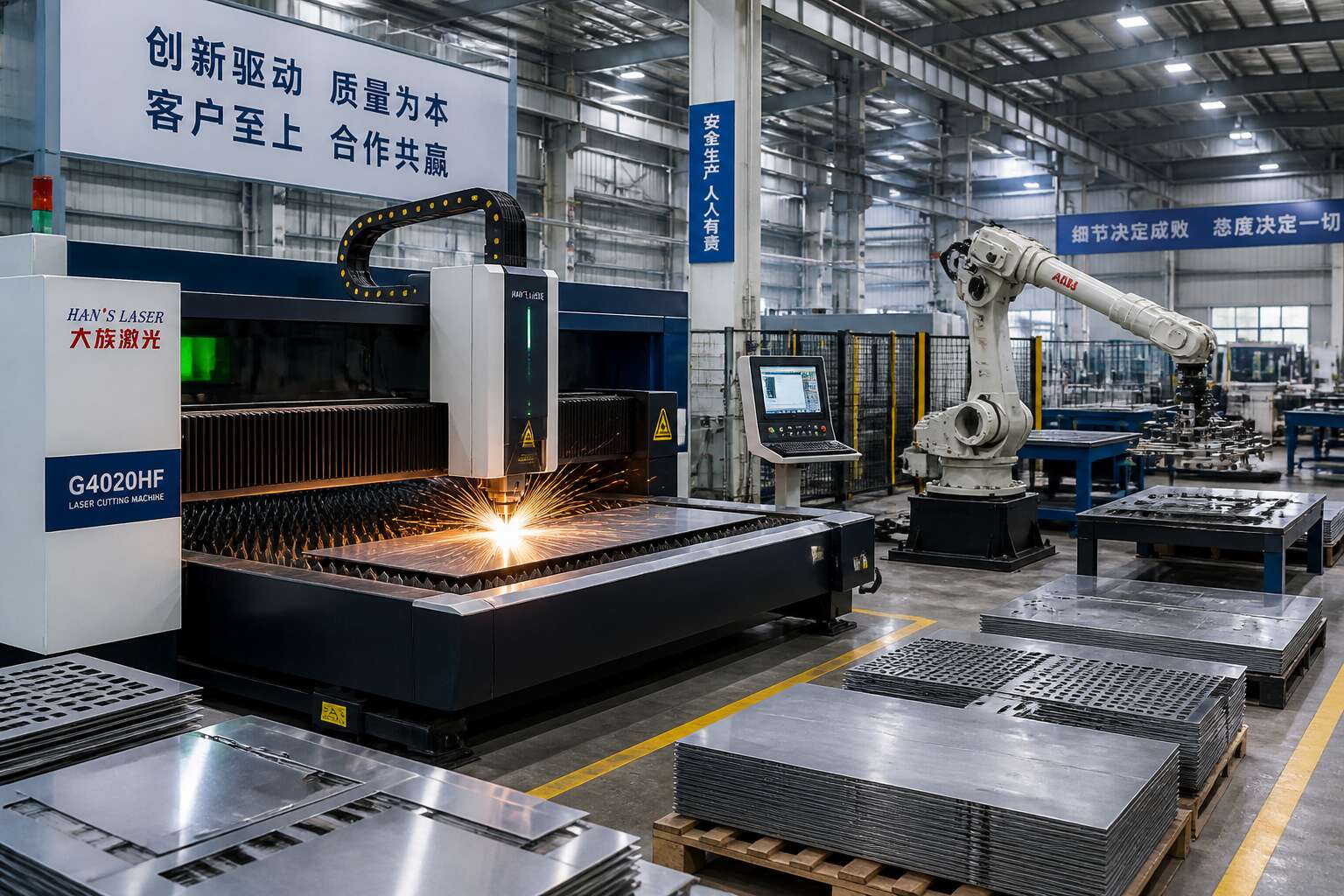
China’s manufacturing sector produces nearly 30% of global output, according to World Bank figures. That statistic matters when you source sheet metal fabrication in china. The landscape runs from small job shops in Guangdong to automated plants in Jiangsu with laser cutters and press brakes running continuously.
Global position? China sits at the top of the export table for fabricated metal products, a fact that makes procurement officers in South Africa reach for their spreadsheets. A buyer here feels this scale in lead times and price tiers.
- Thousands of suppliers across regional clusters
- Deep supply chains for steel, aluminium, and hardware
- Capacity for large orders
Key Manufacturing Hubs and Clusters
Ask any Foshan factory director to name their nearest rival, and they point down the street. That is how sheet metal fabrication in China works. The industry runs on regional agglomerations, not scattered factories. Shenzhen handles rapid prototyping and electronics enclosures. The Yangtze River Delta shifts toward precision components for automotive and industrial equipment.
These hubs differ in practical ways. Each has its own labour market, tooling suppliers, and unofficial conventions that no spreadsheet captures! A part quoted in Shenzhen carries different cost and speed expectations than the same part made in Suzhou. That is the nuance you gain when you source sheet metal fabrication in China by region rather than by national averages.
- Shenzhen and Dongguan: rapid prototyping, thin-gauge enclosures
- Suzhou and Kunshan: precision sheet metal, medical devices
- Foshan and Zhongshan: high-volume appliance parts
South African buyers can use this regional picture to shortlist suppliers. The right hub answers the question that spreadsheets cannot.
Export Trends and International Demand
China exported over 9 million tons of fabricated metal products in 2023, and that figure barely captures the real momentum. Sheet metal fabrication in China has become the default answer for global procurement teams because the export pipelines are deep, fast, and relentlessly consistent. South African import data tells a story of shifting preferences. Buyers in Johannesburg and Cape Town are moving away from single-source dependence and toward diversified Chinese suppliers who can handle both batch runs and custom tolerance demands.
The global position of sheet metal fabrication in China rests on price stability, not just low labor costs. Chinese fabricators have locked in raw material supply chains and energy rates that keep quotes predictable across quarters. That matters for South African manufacturers who need accurate landed costs.
International demand has tilted toward specialized work:
– Precision enclosures for renewable energy inverters
– Structural brackets for mining equipment refurbishment
– HVAC ducting components with certified powder coating
– Automotive aftermarket panels with pre-punched mounting patterns
The export corridors have adapted accordingly. Shipping routes from Guangzhou to Durban and from Shanghai to Cape Town now carry time-sensitive fabrication orders, not just bulk commodity stock. South African engineers increasingly treat Chinese fabrication shops as extensions of their own design teams, sending revised CAD files overnight and receiving sample confirmations within days.
For the South African market specifically, the demand curve is moving away from the lowest bidder and toward technical capability. Buyers want suppliers who understand SABS standards and can deliver first article inspections without hand-holding. Sheet metal fabrication in China has matured into that role. The factories that thrive are the ones that have learned to speak the language of international compliance, not just the language of production volume.
The trade flows have proven resilient through shipping cost spikes, port congestion, and currency swings. That reliability has turned Chinese fabrication into a structural part of South African industrial supply chains, not a temporary outsourcing experiment.
Government Policies and Industrial Incentives
Ask any mid sized fabricator in Guangdong what keeps quotes steady, and you will hear about land, power, and tax rebates before you hear about wages. Sheet metal fabrication in China runs inside a policy framework built for continuous production. Municipal governments compete for plants with cheaper industrial land and faster permits. Export VAT rebates land on a predictable clock, which is exactly what South African buyers need when forecasting landed costs.
The incentives are concrete:
– Multi year property tax holidays in designated industrial zones
– Subsidised electricity tariffs for high volume stamping and laser cutting
– Accelerated depreciation on new CNC equipment and powder coating lines
– Low interest loans for automation upgrades
These measures reshape the industry landscape from the inside. Shops that upgrade equipment get rewarded by the tax code. That explains why a fabrication partner in Foshan can hold tolerances that many domestic suppliers cannot. The policy environment pushes Chinese factories toward higher technical capability, and that capability travels well across the Indian Ocean.
Core Capabilities and Advanced Technologies
Precision Laser Cutting and CNC Machining
Precision in sheet metal fabrication in china has moved beyond simple measurement. A modern shop floor hums with fiber lasers cutting mild steel at tolerances that seemed impossible a decade ago. These machines hold positional accuracy to within 0.05 millimeters, which matters when components must slot together without rework.
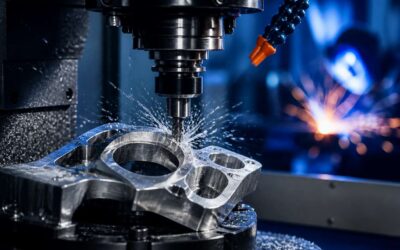
CNC machining complements this cutting power. Multi-axis mills and lathes shape aluminum, stainless steel, and exotic alloys with repeatable consistency. The combination of laser profiling and machined edges reduces secondary operations dramatically! Many Chinese fabricators now run lights-out production, where robotic loading keeps machines active through the night.
A typical precision capability set includes:
- Fiber laser cutting up to 20 mm thick
- CNC milling with ±0.01 mm repeatability
- Automated nesting software to optimize material yield
- In-process probing for real-time dimensional verification
This infrastructure is why sheet metal fabrication in china now attracts South African importers seeking complex components.
Bending, Stamping, and Forming Techniques
Bending heavy gauge steel demands more than brute force. In sheet metal fabrication in china, press brakes with servo electric drives and angle sensors deliver repeatable bends within 0.1 degrees. Operators program sequences that fold a single sheet into a chassis with multiple flanges, eliminating welded joints. Stamping presses, ranging from 50 to 2000 tons, transform flat blanks into embossed panels or complex brackets. Progressive dies feed coils through successive stations, each stroke cutting, punching, and forming without human intervention. Roll forming creates long profiles for roofing and structural sections, with adjustable stands that swap tooling in under an hour. The practical edge is springback compensation, where software predicts material recoil and adjusts the tool path. This capability ensures consistent geometry across large production runs.
Welding and Joining Methods
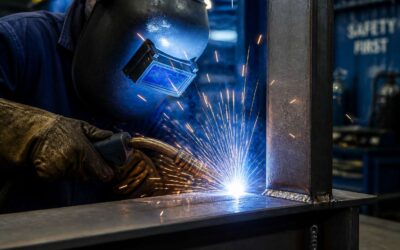
Welding in Chinese shops involves more programming than fire. Robots handle MIG and TIG duties, while laser welding and friction stir welding tackle tricky joints. A factory in Guangdong once welded 2mm aluminum sheets with zero distortion. That matters when your product needs to impress buyers in Johannesburg.
Shops typically arrange joints in a logical sequence:
- Tack weld to hold alignment
- Full penetration weld for strength
- Grinding and polishing for finish
Chinese suppliers also use adhesive bonding for mixed metal assemblies, reducing heat damage. Sheet metal fabrication in china often pairs robotic welding with seam tracking, so you get fewer defects and shorter lead times. For South African importers, that translates to dependable cabinets, frames, and structural parts.
Surface Finishing and Coating Options
Core capabilities in Chinese shops now include automated inspection systems that measure each batch against CAD tolerances. That precision matters when your components must fit into a larger assembly in Johannesburg without rework. Sheet metal fabrication in china has moved beyond raw machinery into data driven quality control.
Surface finishing is where parts gain their resilience. Powder coating, anodizing, and zinc plating are standard. Many suppliers run in-house coating lines, which cuts turnaround time and reduces handling damage.
- Powder coating for outdoor enclosures
- Anodizing for aluminum frames
- Zinc plating for fasteners and brackets
I visited a Shenzhen factory that applied a textured finish to hide minor scratches from transit. That attention to detail explains why sheet metal fabrication in china remains a practical option for South African importers.
Automation and Smart Factory Integration
The most important machine in a Chinese sheet metal workshop is no longer the press brake. It is the network connecting every sensor, camera and torque readout on the factory floor. Operators once relied on feel; now data drives the adjustments. That shift makes sheet metal fabrication in china more predictable for importers.
Core capabilities include digital twin simulation, where a part is tested virtually before a single sheet is cut. Automation has moved beyond conveyor systems into adaptive production lines. Machines correct their own deviations in real time, logging each adjustment for later audit.
- Vision guided robots sort parts with micron level positioning
- Cloud based dashboards give South African buyers live production status
- Automated material handlers track every sheet from warehouse to weld cell
Smart factory integration links these systems. When you revise a drawing, machine programs across multiple facilities update within hours. The paperwork matches the physical parts on arrival in Johannesburg.
Prototyping and Rapid Tooling
Prototyping in Chinese factories moves at a pace that still surprises South African engineers. A simple chassis bracket can go from your CAD file to a physical part in three days. The secret lies not in expensive machines, but in flexible scheduling and a deep bench of skilled operators who can switch tasks without losing momentum. When you approve a prototype, the same workshop often produces your first short run on identical equipment.
Rapid tooling takes this further. Instead of waiting weeks for hard dies, manufacturers use soft tooling, modular dies and CNC turret punch presses to validate designs. The advantage is the ability to test multiple iterations quickly.
– Progressive tooling allows multiple bends in a single press stroke.
– 3D printed fixtures hold parts securely for welding and inspection.
– Low volume stamping uses hardened steel inserts for cost effective durability.
This speed gives you clarity. You know exactly how your design will perform in high volume production, before committing to expensive hard tooling. That transparency makes sheet metal fabrication in china a practical choice for companies that value agility over rigidity. The real product is the certainty you gain before the first production run begins.
Quality Assurance and Compliance Standards
International Certifications and Standards
The factory tour was flawless. The paperwork told a different story. That gap is where deals fall apart, and it is exactly where I push clients to focus their due diligence.
Quality assurance starts with standards. ISO 9001 is the baseline, but industry-specific certifications matter more depending on your product. A certificate is not a guarantee, but it narrows the field.
- ISO 9001 for general quality management
- IATF 16949 for automotive supply chains
- ISO 13485 for medical device components
- EN 15085 for welded rail parts
These standards force consistent inspection, material traceability, and documented processes. For sheet metal fabrication in China, the distance between certified and truly compliant shops is wide. Independent audits and third-party lab testing close that distance.
Inspection and Testing Procedures
Half of all rejected sheet metal parts fail dimensional tolerance checks, not material defects. That finding reshaped how I evaluate sheet metal fabrication in china.
Inspection procedures vary between shops. The best run first article inspection on every new part. They use coordinate measuring machines to verify critical holes and bend angles. They pull test coupons from each material batch to confirm tensile strength.
Testing sits in layers:
- Incoming material verification against mill certificates
- In-process checks at each forming or welding station
- Final dimensional audit with calibrated gauges
- Surface finish measurement using profilometers
Third-party labs add another layer. They perform salt spray testing for corrosion resistance and hardness testing on heat-treated parts. These labs operate independently from the factory’s internal QC team.
Inspection reports from actual production runs, not pilot samples, reveal the real state of sheet metal fabrication in china. Gauge repeatability and reproducibility studies separate suppliers whose quality systems function daily from those that only perform during audits.
Material Traceability and Sourcing
A mill certificate that cannot be tied to a heat number is a rumour in paper form. I have seen South African buyers receive polished certificates while the actual coil remains a mystery. For sheet metal fabrication in china, traceability begins with heat numbers, mill test reports, and a sourcing chain that names the exact mill and alloy grade. Compliance standards only carry weight when the paperwork follows the metal from intake to dispatch.
Quality assurance depends on document control as much as calipers. The strongest suppliers map every lot through these checks:
- Heat number tied to coil and finished part
- Approved supplier list with mill and grade codes
- Retained records for each production lot
Common Quality Challenges and Mitigation
A single bowed panel can undo a schedule. Quality assurance in sheet metal fabrication in china depends on catching that flaw before dispatch. The common challenges are predictable: dimensional drift from tool wear, surface contamination before coating, and bend angles that wander. Each flaw leaves evidence, but only if inspected.
Mitigation follows a simple logic, and I have watched it save messy orders. First article inspection verifies the first part of every run. In-process gauging catches drift while the press is warm. Final audits compare the finished batch to the approved sample. Suppliers who do this well treat compliance as a daily routine, not a ceremony.
- Tool wear measured after every shift
- Surface checks before any coating line
- Bend angle verification on every tenth part
Suppliers that skip these steps save minutes and lose shipments. In sheet metal fabrication in china, reliability shows up in humble routines.
Third-Party Audits and On-Site Verification
A certificate is a statement. An audit is evidence. In sheet metal fabrication in china, third party audits expose what marketing claims hide. I have stood in workshops where promised traceability existed only in a folder.
On site, the difference surfaces quickly. Auditors verify what operators actually do, not what the manual says:
- calibration logs matched to timestamps
- weld samples broken for internal inspection
- bend angles checked against first article reports
Then they ask a welder about his last rejection. Simple, direct questions. The best suppliers welcome this scrutiny because it protects their reputation. For a buyer in South Africa, sending an independent inspector changes everything. The risk drops because the inspection happens before shipment. What remains is the actual condition of the production floor. That condition matters more than any signed document.
Cost Structure and Supply Chain Efficiency
Labor and Material Cost Advantages
The cost structure for sheet metal fabrication in china runs through vertical integration. Factories control raw material sourcing, processing, and logistics inside one industrial park, which strips out intermediary fees. Labor remains a significant lever, although wages have climbed. The real advantage now comes from skilled operators running automated lines at higher throughput than their regional peers.
Material costs benefit from bulk purchasing through state linked exchanges. Stainless steel and aluminium per ton often land below global averages because mills sell directly to fabricators. I have watched South African importers exploit this margin.
- Lower energy tariffs for industrial parks trim overhead
- Just in time delivery from nearby suppliers cuts inventory holding costs
- Export rebates offset logistics expenses for foreign buyers
These factors keep the landed cost competitive even after freight and duties.
Hidden Costs and Tariff Considerations
The cost structure for sheet metal fabrication in china rarely ends at the quoted unit price. Buyers often discover that ancillary fees reshape the final invoice. Packaging, palletisation, and port handling charges vary by province. Customs clearance procedures add delays when documentation is incomplete.
Hidden costs emerge in several places:
- Quality control rework after failed dimensional inspections
- Communication gaps that require repeated sample approvals
- Storage fees when shipment dates slip
Tariff considerations also shift with trade agreements. South African importers must verify HS code classifications and duties under the Southern African Customs Union. Supply chain efficiency depends on route selection. Air freight shortens lead times but inflates costs. Sea freight from Shenzhen to Durban offers balance, though congestion at transshipment ports remains unpredictable. I have seen these variables erase the upfront savings of sheet metal fabrication in china, which is why procurement must account for the full landed cost.
Lead Times and Logistics Networks
The price you see on a quotation for sheet metal fabrication in China is only the opening bid. The real cost structure reveals itself through material grade selections, tolerance specifications, and finishing requirements. A standard enclosure might seem economical until you specify stainless steel 316 instead of 304, or demand tighter bend tolerances. Each engineering decision ripples through the cost sheet. Procurement teams that understand these levers can negotiate better rates because they know which specifications genuinely drive expense.
My experience with factories in Guangdong and Zhejiang shows that the manufacturing cost itself is often only sixty percent of the total landed price. The remaining forty percent sits in logistics, handling, and paperwork. South African buyers face a particularly complex equation because the transit distance demands careful planning.
- Container loading density directly impacts freight cost per unit
- Warehousing in China adds monthly fees that accumulate quickly
- Customs broker charges in both countries vary by port
Supply chain efficiency for sheet metal fabrication in China depends on the logistics networks you build. The coastal provinces operate on a rhythm of daily trucking schedules and weekly vessel departures. A factory in Shenzhen might load your goods onto a vessel within two days of completion. An inland facility adds five to seven days for inland trucking to a major port. That difference matters when you are planning production schedules in Johannesburg or Cape Town.
Lead times fluctuate with seasonal demand. The weeks before Chinese New Year create a bottleneck as factories rush to clear orders. Sea freight rates spike during these periods, and vessel space becomes scarce. A savvy buyer plans orders around these cycles, locking in space before the rush begins.
Inventory Management and Just-in-Time Delivery
Inventory management in sheet metal fabrication in china operates on a principle that South African buyers often discover through their bank statements: storage is not free. A container parked at a Shenzhen warehouse accrues charges daily, and those charges compound when your production schedule slips.
Just in time delivery works well when the factory respects the schedule. Some do. Others treat delivery dates as flexible targets. Coastal factories run lean operations because their land costs are high, so they push inventory onto buyers quickly.
- Weekly vessel departures from Shenzhen and Ningbo
- Monthly warehouse fees per pallet
- Customs clearance timing at Durban or Cape Town
Procurement teams that lock fixed production windows get better pricing from sheet metal fabrication in china suppliers who value predictable order flow. The cost structure rewards buyers who keep inventory moving rather than letting it sit.
Impact of Raw Material Price Fluctuations
Steel prices move on their own schedule, and South African buyers feel every shift inside the quotation. Sheet metal fabrication in china depends on raw material costs that respond to global demand, freight rates, and currency pressure. The cost structure flexes with the market rather than sitting still.
A supplier’s reaction to price swings signals their supply chain efficiency.
- Factories with bulk purchasing agreements hold steadier pricing.
- Workshops buying on the spot market pass each spike along.
- Operations near port terminals absorb less freight friction.
For importers in Durban or Johannesburg, the measurable difference appears when steel jumps 5% overnight. One factory revises the quote, another absorbs the hit to protect the relationship. That calculation sits inside every tender you evaluate.
Comparing Pricing Models and Quotes
Reading a quote from sheet metal fabrication in china means translating the hidden price components. Some suppliers issue a fixed quote that folds in anticipated steel movement, protecting the buyer with a premium. Others provide a floating quote tied to the day the metal hits the cutting table. Both models have logic, but supply chain efficiency determines which one helps your bottom line.
Factories controlling material intake through forward contracts and local stockholding can offer the fixed model with confidence. Spot market workshops cannot. That gap shows itself in the line items people tend to skim past.
- Material surcharges that rise and fall weekly
- Offcut recovery rates that differ per factory
- Port handling buffers added by intermediaries
The risk placement within a quote tells you more than the opening number. A lower figure with vulnerable clauses may cost more than a stable one.
Partner Selection and Communication Strategy
Evaluating Technical Expertise and Equipment
Selecting a partner for sheet metal fabrication in china demands a sharp eye on their real shop floor. I recommend asking about specific equipment, not general claims. A factory that can name the press brake tonnage and its laser wattage likely knows its limits.
Communication strategy is equally critical. Weekly calls or structured email updates prevent costly misunderstandings. In my experience, suppliers who respond within hours handle engineering queries with clarity.
- Inspect the actual machines during a virtual tour
- Request calibration certificates for critical tools
- Ask for a defect report from the last production batch
These practices uncover how well a facility manages its processes. Ultimately, sheet metal fabrication in china succeeds when you align your technical requirements with a partner who proves competence through dialogue and documentation.
Communication Barriers and Language Solutions
The true cost of a Chinese factory partnership rarely shows up on the invoice. It shows up in the gap between what you specified and what the operator understood. Language barriers in sheet metal fabrication in china rarely surface as broken English. They hide in engineering assumptions, implied tolerances, and a cultural reluctance to say no.
I treat the quoting phase as a test. A partner who asks sharp clarifying questions now will ask them later. One who says yes to everything is telling you what you want to hear.
- Every specification change moves through a written change order, not a voice call.
- Every quality question triggers a photo report, not a verbal assurance.
- Every deadline shift appears in a shared tracker, not a whispered promise.
When those habits exist, sheet metal fabrication in china becomes a transparent exchange of data. The numbers stay honest.
Intellectual Property Protection Measures
Securing your intellectual property during sheet metal fabrication in china often demands more vigilance than verifying a factory’s machine list. A CAD file sent for a quote can become a competitor’s catalog item within months, not because of malicious intent but due to a diffuse supply chain where subcontracting is standard practice. The operator who cut your prototype may be a different entity from the one who handles mass production, which makes tight control difficult without deliberate effort.
Protecting your designs starts before the first inquiry. A contract that clearly defines ownership of tooling, CAD data, and any derived products is not a formality, it is your primary shield. These documents, however, only work if the counterparty respects them. Therefore, a communication strategy that flags IP expectations during the RFQ process is as critical as the tolerances you specify. Ask directly who will have access to the digital files, and get the answer in writing, complete with a signature.
Practical measures reinforce the legal ones. Consider these baseline steps:
– Restrict file access by sending only step files for quoting purposes, not full BOMs with raw material suppliers listed.
– Use watermarked drawings that are traceable to your specific project code.
– Segment your order across two factories in different regions so no single supplier holds the complete picture.
The Chinese legal framework has improved, but enforcement is reactive. You want active protection, which means your partner’s internal protocols must match your own. A shared tracker for document distribution and a recorded briefing on confidentiality terms before production begins will close the loopholes that a verbal handshake leaves open. South African importers who treat this process with the same rigor as their Cape Town or Johannesburg office would are the ones who sleep well after the container ships.
Red Flags and Due Diligence Checks
Red flags in a potential partner often surface during the first three exchanges. A supplier who avoids direct answers about third-party audits or whose sales team changes the quoted lead time twice in one week is signalling future problems. Overpromising is another common warning in sheet metal fabrication in china. Factories that guarantee perfect tolerances without asking clarifying questions rarely deliver them.
Due diligence checks should include customs export data, client references outside the supplier’s preferred market, and a review of subcontracting agreements. We once met an importer from Johannesburg whose ‘single source’ factory had outsourced his entire run to an unlisted workshop two provinces away.
Communication patterns reveal more than technical specs:
- Evasion of questions about material origins
- Refusal to name the project manager assigned to your account
- Quotes that shift once you share production volumes
Reliable sheet metal fabrication in china suppliers answer difficult questions with specifics, not corporate pleasantries.
Building Long-Term Collaborative Relationships
Selecting a partner for sheet metal fabrication in china is not a single decision but a continuous dialogue. The factories that thrive with international clients treat communication as a daily discipline. We have learned that the best relationships begin with transparent capacity sharing. A supplier who openly discusses machine hours and current workload is planning for your future orders.
Building long-term collaboration requires structured touchpoints:
- Weekly progress reports with photographic evidence
- Quarterly business reviews that analyze defect rates and cost drivers
- Annual visits that include line-side inspections and team meetings
These rituals replace guesswork with predictability. When your South African team asks for urgent changes, a partner with established protocols reacts faster. The most durable partnerships in sheet metal fabrication in china are those where both sides invest in understanding each other’s constraints. That mutual comprehension transforms a vendor into a reliable resource.
Negotiation Tactics and Contract Essentials
Choosing a fabrication ally requires inspecting their crisis behaviour, not their showroom. Ask how they handle currency swings or material shortages. A partner who volunteers bad news early is worth more than one who offers discounts. In sheet metal fabrication in china, negotiation often begins with price pressure, but the real leverage lies in payment terms and liability clauses.
For communication strategy, I recommend naming one dedicated liaison on each side. This person owns the daily chatter, preventing misread emails from becoming costly delays. Negotiation tactics should focus on batch flexibility and tooling ownership. When you retain the dies, you retain the power to walk away.
Contract essentials for sheet metal fabrication in china should include escalation paths, intellectual property clauses, and force majeure definitions.
- Define acceptable tolerance ranges explicitly.
- Stipulate audit access with 48 hours notice.
- Set a penalty matrix for late deliveries.
These elements make the agreement durable.


0 Comments