Grill Fabrication Fundamentals and Design Goals
Core Design Objectives for Grills
Heat is a blunt truth-teller in outdoor kitchens. In South Africa’s sun-drenched backyards, grills must weather humidity, coastal salt spray, and sudden downpours—yet still deliver reliable flame. The fundamentals begin with the heat source, deliberate airflow routes, and a frame sturdy enough to outlive fashion and weather.
Design goals guide every curve and weld. Consider these core objectives:
- Efficient heat distribution with controlled airflow
- Durable, corrosion-resistant materials suited to coastal climates
- Safe, easy maintenance and reliable longevity
At the heart of fabrication grill design lies a pledge: safe, durable, economical performance. The craft remembers the flame, the cook, and the space where meals become rituals!
Material Selection and Compatibility
Heat is the blunt truth-teller in every SA outdoor kitchen, and the craft of fabrication grill design must hear it loudest. In sun-washed backyards where humidity and salt spray test seams and welds, the form must breathe with deliberate airflow, yet stand firm against sudden downpours. The design begins with how the heat source, chamber geometry, and weatherproofing converge—a choreography that remembers the flame, the cook, and the space where meals become rituals.
In this context, material selection and compatibility are the quiet engines. For coastal climates, 316 stainless steel resists salt spray, while 304 offers robust corrosion resistance with more economical options. Cast iron grates retain heat but benefit from porcelain enamel for longevity; stainless burners and shields resist the South African sun. Pair these with matched welds and durable coatings to ensure safe, easy maintenance and lasting performance, season after season.
Structural Integrity and Load Management
Heat and wind don’t negotiate! In fabrication grill design, the frame must carry weight, channel heat, and shrug off South Africa’s coastal gusts. Structural integrity starts with rugged load paths that push weight into solid footings, with bracing that resists fatigue. Welds stay clean; doors, lids, and hinges stay aligned after years of use!
Design goals focus on weather resilience, easy maintenance, and predictable performance. It should steer heat where it’s needed, offer quick access for service, and wear well under sun and salt. This philosophy anchors fabrication grill design. The result is a durable unit that ages gracefully without slowing the cook.
- Load paths and bracing
- Weld quality and inspection
- Weatherproofing and seals
Thermal Performance and Ventilation
Heat doesn’t negotiate, and neither should your grill. Along South Africa’s coastal patios, flame and wind dance a delicate waltz, where airflow decides the sear. The craft of fabrication grill design fuses bold lines with patient engineering, turning temperamental heat into a steady, loyal companion to the cook.
Thermal performance and ventilation sit at the heart of every successful unit. Proper heat paths invite hot air to rise, while shaded zones keep temperate zones calm, preventing hotspots that scorch a crust or dampen a dream. Balanced exhausts and intake harmonize fire with breeze, a quiet orchestra under sun and salt.
Key considerations unfold with quiet elegance:
- Thermal zoning that guides heat where it matters
- Vent placement tuned to coastal breezes
- Durable seals and corrosion-resistant hardware
Durability, Corrosion Resistance, and Outdoor Longevity
“Steel is a story that ages with the flame,” a master fabricator once whispered. Coastal South Africa demands grills that endure salt, sun, and wind without flinching, turning every cookout into a small legend of resilience.
Grill fabrication fundamentals focus on clean seams, precise tolerances, and joints that shrug off the heat. The design goals for durability, corrosion resistance, and outdoor longevity translate into frame geometry, seals, and protective finishes that stay strong year after year under salty air. This is the essence of fabrication grill design.
- Durability: reinforced welds, stiff frames and tested fatigue resistance
- Corrosion resistance: marine-grade stainless, anticorrosive coatings, sealed assemblies
- Outdoor longevity: UV-stable finishes, drainage, and pest-proof detailing
When balance is achieved, the craft becomes more than metal and flame—it’s a trusted companion for the coastline kitchen, with the bold confidence that only true fabrication grill design can deliver.
Materials and Manufacturing Methods for Grill Systems
Material Properties and Suitability
Across South Africa, outdoor kitchens have surged 37% in the past year, redefining the art of fabrication grill design. The choice of materials and the way parts are manufactured can spell the difference between a showpiece that lasts and a system that warps under SA heat and coastal humidity. Precision fabrication starts with informed material selection.
- Roll-formed frames and laser-cut panels for precision and fit
- MIG/TIG welding and modular assemblies for strength
- Powder-coated finishes or galvanised coatings for coastal resilience
Material properties drive which metals meet real-world demands. In SA, stainless steel (304 or 316) offers durability in salty air, while aluminum keeps weight down. For budget projects, coated mild steel can work, but with a robust finish and careful detailing to prevent wear. This aligns with fabrication grill design realities in SA.
Manufacturing Techniques for Metals and Alloys
fabrication grill design hinges on more than aesthetics; SA outdoor kitchens surged 37% last year. The real test is what survives salty coastal air! In manufacturing, the choice of metals and how they’re joined determines longevity, not just looks. Precision starts in cutting and fitting, then moves to joins that resist flex and creep under heat. The workflow blends robust alloys with controlled processes—laser-cut panels for clean edges, MIG/TIG welds for sturdy joints, and finishes that stand up to humidity and UV.
Considerations when selecting techniques include tolerances, assembly methods, and coating life. The right combination balances weight, accessibility, and cost while keeping coastal environments in mind. The following elements matter in practice:
- Tolerances for seamless panels and doors
- Coatings designed for salt air and humidity
- Alloys chosen for strength without excessive weight
- Joint designs that simplify maintenance and avoid crevices
Welding, Finishing, and Assembly Best Practices
In South Africa, outdoor kitchens surged 37% last year, a bold sign that flexible living spaces are becoming everyday architecture. The real test, though, is coastal endurance—salt air, humidity, and UV! In fabrication grill design, the choice of welding and finishing quietly defines longevity.
Welding choices matter: MIG for robust joints, TIG when precision is essential. Stainless steel, preferably marine-grade 316, stands against salt spray; avoid hidden crevices that trap moisture. Finishing with powder coating or electro-polish raises corrosion resistance; post-weld passivation helps seal the grain boundaries. Assembly should favor modularity and accessible joints for maintenance.
When done right, the system breathes—steady tolerances, controlled heat flow, and easy service paths, all part of a thoughtful fabrication grill design that endures South Africa’s coast and its sunlit hours.
Quality Control, Tolerances, and Cost Optimization
Outdoor kitchens surged 37% last year in South Africa, and precision is the quiet heartbeat behind every durable grill. In fabrication grill design, the margin between endurance and obsolescence is a matter of tolerance—stitched into every cut, bend, and fit. The coast demands it; the sun, too.
Quality control is deliberate, not decorative. From laser-cut panels to CNC bends, measurements anchor the build. Tolerances become intent: tight at joints, forgiving at service paths. Cost optimization arises through standardization, modular components, and a disciplined sequencing of operations that minimizes scrap and rework.
- In-process gauging and fixture design to keep consistency
- Modular kits and standardized fasteners to speed assembly and reduce inventory
- Value engineering that pares back complexity without sacrificing performance
Not chasing perfection, the pursuit is sustainable throughput—where every part knows its place, every joint breathes, and the finished system promises a predictable service life under South Africa’s sun!
Aesthetic and Functional Design Considerations
Mesh Patterns and Aesthetic Styles
Bold lines catch the sun and tell a story of space where firelight meets fresh air! In South Africa, aesthetics steer about half of grill choices, proving that beauty and function can share the same frame.
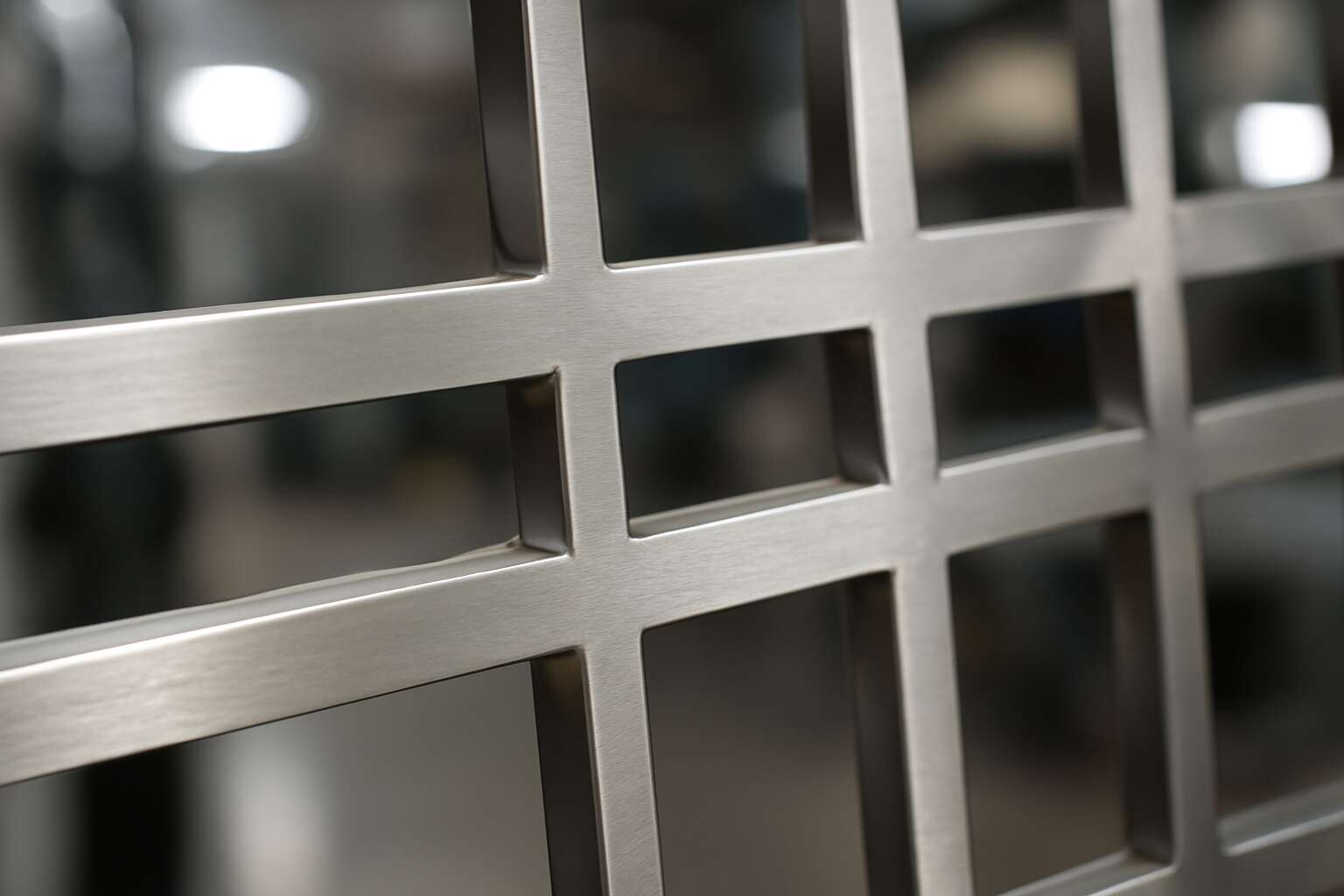
Within fabrication grill design, mesh patterns range from diamond lattices that glitter in sunlight to crisp squares that read as urban architecture. Mesh also intersects style, with industrial minimalism, artisanal heritage, and sculptural silhouettes guiding the eye without sacrificing airflow or strength. For pattern and style, consider how light, shadow, and maintenance choreographs the grill’s daily performance.
- Diamond lattice for contemporary sparkle
- Square/grid patterns for sharp, utilitarian elegance
- Curved or irregular tessellations to soften urban edges
These choices forge a signature line—one that reads as a shield against weather yet speaks with a craftsman’s voice.
Airflow, Ventilation, and Thermal Comfort
In fabrication grill design, airflow is the quiet engine of comfort. A good grill breathes with the building, guiding heat out and fresh air in. A veteran craftsman once said: “Air is the unseen guest that either ruins or crowns a space.” In South Africa’s climates, proper ventilation means fewer sweltering afternoons and more even temperatures across rooms.
Consider how shapes, gaps, and alignment influence turbulence and stack effects. A near-seamless balance of air intake and exhaust can boost comfort without sacrificing security or weather protection. For fabrication grill design, the interplay of sun, wind, and shade writes the daily script of indoor comfort.
- Airflow channels guide cool air where it’s needed
- Vent placement aligns with prevailing breezes
- Dust and debris management preserves performance
These choices give the grill a voice that is both practical and poetic.
Mounting Options and Integration with Surroundings
Across South Africa’s heat, comfort travels on the grill’s breath. Studies hint that smart ventilation can cut cooling loads by up to 40%. ‘A good grill breathes with the building,’ a seasoned craftsman once said, and the room answers with ease.
In aesthetic terms, fabrication grill design fuses form with function. Silhouettes nod to brick, plaster, timber, or glass. I watch the sun, wind, and shade choreograph a silent drama, where texture and shadow invite touch while the metal withstands the long night.
Mounting and integration with surroundings set the mood as surely as the metal itself.
- Surface-mounted frames that skim walls
- Flush-mounted sleeves for clean lines
- Freestanding screens that partition space
All these choices belong to fabrication grill design, shaping atmosphere and security in equal measure.
Lighting, Finishing, and Visual Impact
Heat lingers in the Cape sun until lighting and texture align. In South Africa’s climate, studies hint that thoughtful finishes and lighting can cut glare and perceived heat by up to 30%. fabrication grill design becomes more than metal; it’s a breathing framework I call on to guide light, air, and people through a space with quiet confidence.
Lighting, finishing, and visual impact are the levers of mood. I watch how color temperature shifts with the sun, how reflectivity changes as you walk past, and how texture plays on metal surfaces.
- LED accents tracing the grill’s pattern cast gentle halos on nearby walls.
- Powder coatings and brushed patinas resist sun and weather while preserving depth of tone.
- Texture and shadow invite touch without compromising security lines.
With these choices, the grill’s silhouette becomes a landmark within the broader fabrication grill design narrative. What a difference these choices make!
Customization and Modularity
In South Africa, glare and heat can drop by up to 30% when a grill is designed with light, shade, and texture in mind. Form follows feeling, and the grill becomes a measured conversation between shade and exposure. Customization and modularity emerge as a discipline, letting spaces adapt without surrendering strength. The aim is unity—color, texture, and form speaking with one voice.
- Modular panels that swap in and out for openness and security
- Variable mesh density for airflow and light control
- Integrated lighting and finishes to carry day into night
- Tool-free assembly for quick reconfiguration
From the designer’s lens, fabrication grill design becomes tactile poetry—choices in curvature, patina, and joints shape how people move through a space. When modularity is embraced, the grill relocates and re-signals meaning as contexts shift, keeping performance and personality in balance.
Ergonomics and User Interaction
In South Africa, glare and heat can drop by up to 30% when light, shade, and texture are woven into fabrication grill design. The space becomes a theatre where metal speaks in shadows and breathes with the day’s changing light, a discipline that respects mood as much as gravity!
Aesthetic and functional design considerations brush against ergonomics as if they were old friends. From the silhouette you feel to the touch you crave, I see a fabrication grill design embracing how people move, lean, and glance, turning every approach into a poem of use and presence.
- Ergonomic height and reach for diverse users
- Tactile, weathered grips that invite interaction
- Intuitive operation with smooth, quiet feedback
Ergonomics and user interaction shape encounters—how light glides across panels, how handles invite a pause, how a grille becomes a quiet partner in daily life. This is the language of design told in shadows, texture, and form.
Standards, Safety, and Compliance in Fabrication
Building Codes, Standards, and Compliance
Safety first is not a slogan but a compass for fabrication grill design. In South Africa, aligning with building codes protects families and trades alike, shaping every weld, panel, and attachment with care.
Standards and compliance guide the entire process, from fire resistance to ventilation and structural load. Local authorities, SANS standards, and municipal codes set the thresholds we meet, so every grill system earns official acceptance before it ever goes outdoors.
- Local building approvals and permits
- Fire safety and ventilation requirements
- Welding, finishing, and inspection certifications
We document conformity and train teams to maintain it, because responsible design and practice hinge on repeatable quality and clear records, not shortcuts. The result is safer spaces that respect both craft and community.
Safety Measures for Heat and Fire Resistance
Heat is no respecter of person or plate. In South Africa, standards aren’t a nuisance—they’re the compass that guides fabrication grill design, keeping it safe and compliant. “Safety first” isn’t a slogan; it’s how every weld, panel, and attachment is planned so the grill system earns official acceptance before it meets the sun. From fire resistance to ventilation, robust standards and local codes steer every decision.
Conformity documentation and training ensure repeatable quality, a hallmark of professional fabrication. The aim is reliability, not reckless improvisation! The following checkpoints help lock in safety and performance:
- Conformity documentation and traceable material history
- Qualified welding procedures and inspection records
- Fire resistance and ventilation performance verification
Durability Testing and Certification
Standards anchor the durability of fabrication grill design in South Africa. A recent industry pulse shows complete conformity documentation can speed certification by up to 40%. That acceleration turns risky on-site delays into a streamlined path to approval. Safety and performance aren’t afterthoughts; they’re the baseline.
SA codes and standards govern how durability tests are run, from material history to fatigue under sun and wind. Certified results prove that joints stay tight, panels resist deformation, and ventilation continues to perform under real conditions. Certification isn’t a box-ticking exercise; it’s a commitment to predictable, repeatable results.
Conformity documentation, training, and traceable records are the quiet gears behind a reliable fabrication grill design. When teams align on procedures and keep auditable histories, the system earns official acceptance and real-world durability.
Installation, Testing, and Performance Validation
On-Site Installation Best Practices
Precision on the job site is the final page of any fabrication grill design story. A well-conceived plan can derail in windswept South African settings if mounting, leveling, and connections aren’t exact. On-site installation is where material behavior, substrate realities, and weather meet, and where performance is earned through meticulous alignment and robust weatherproofing.
On-site installation best practices include:
- Site assessment and leveling understood as the stage for enduring performance.
- Secure mounting and precise alignment, achieved with calibrated fixtures rather than ad hoc quick fixes.
- Weatherproof sealing and corrosion-conscious cable routing, harmonizing function with environment.
Testing and performance validation on-site confirms the design translates into real-world results. Perform functional checks, verify leak integrity, confirm airflow and thermal behavior, and document deviations from the plan. The process validates the fabrication grill design against field conditions and ensures compliance with local standards while maintaining aesthetics and safety.
Performance Testing for Airflow and Structure
On site, the fabrication grill design reveals its gravity: installation demands secure mounting, precise leveling, and weatherproof seals that survive the dust and wind of South Africa. With calibrated fixtures and a measured hand, alignment becomes a ritual—not a shortcut—and the structure earns its strength under grim skies and tempered light. I’ve seen it prove true.
Testing on site translates plan into performance. Functional checks, leak integrity verification, and a careful appraisal of airflow and thermal paths tell the story of whether the grill breathes as intended. Deviations are logged, safety margins noted, and the record becomes the truth against which the design stands.
- Functional checks and calibration
- Leak integrity and sealing performance
- Airflow, pressure, and thermal behavior
Performance validation stitches atmosphere and function, proving airflow meets the space and the structure resists corrosion and fatigue in real weather. The results shape maintenance cycles and quality assurance, turning a careful build into a lasting, dependable presence.
Maintenance, Cleaning, and Part Replacement
Installation for the fabrication grill design is where metal meets mission. In South Africa, wind and dust turn every mounting into a test. Secure mounting, precise leveling, and weatherproof seals ensure the grill design holds fast under grit and glare—proof that it’s built to endure.
Testing on site translates plan into performance. Functional checks, leak assessment, and an appraisal of airflow and thermal paths tell the truth about breathability and resilience. Deviations are logged, safety margins noted, and the result becomes the baseline for future approvals.
Maintenance, Cleaning, and Part Replacement keep the system dependable. A few essentials, when needed, shape the long life of the grill:
- Inspection cadence and access considerations
- Seal and joint condition monitoring
- Part replacement strategies and supplier readiness
These elements preserve the integrity through seasons and shifts.
Repair, Retrofit, and Lifecycle Planning
Installation is where plan meets grit and gravity. On-site assembly demands precise mounting, perfect leveling, and weatherproof seals to endure South Africa’s wind-blasted days and dusty corridors. Testing on arrival translates design intent into performance; a thorough validation of airflow pathways and structural integrity reveals whether the fabrication grill design breathes as promised and remains steadfast under real-world conditions.
- Mounting integrity, alignment, and weatherproof sealing
- Airflow performance checks, leak assessment, and thermal path validation
- Retrofit potential and lifecycle planning for future upgrades
From retrofit to lifecycle planning, the journey doesn’t end at installation. A calm, disciplined approach to performance validation informs ongoing maintenance windows and future improvements, ensuring the system proves itself across seasons and shifting workloads.


0 Comments