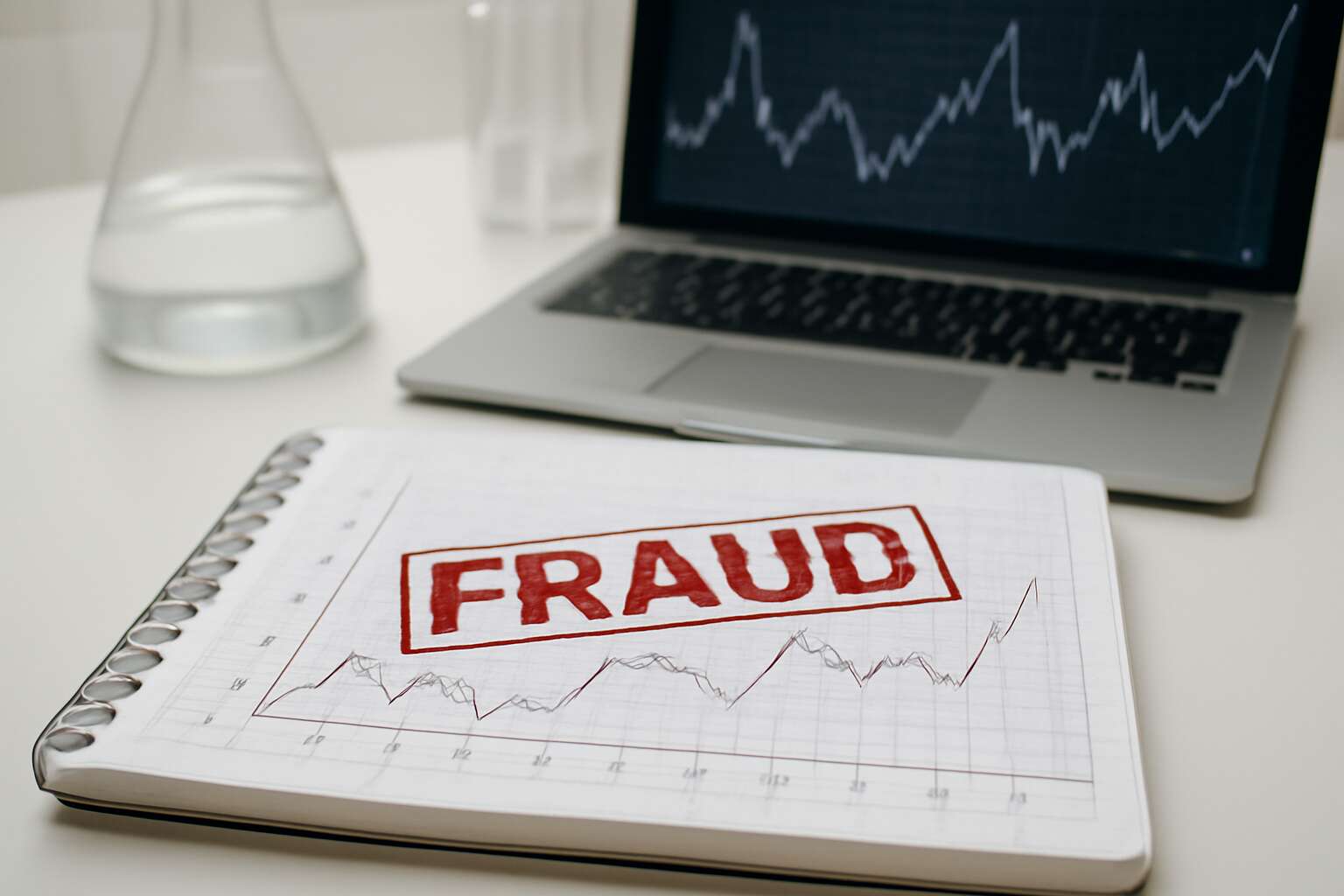
Fabrication and Academic Integrity: Related Topics Outline
Understanding Fabrication in Academia
In South Africa’s research landscape, a single fabrication can derail careers and erode trust within institutions. One study found up to 15% of researchers faced pressure that could push them toward questionable data practices. That is why fabrication academic integrity matters — it protects credibility and public confidence.
Understanding fabrication in academia means spotting how small distortions escalate and ripple through findings and reputation. To illuminate the terrain, consider these related topics:
- data fabrication vs. data manipulation
- authorship and citation integrity
- peer review ethics
- transparent data management and reproducibility
Institutions in South Africa tighten codes of conduct, strengthen training, and clarify reporting channels to uphold standards. Guardrails foster a culture where scruples trump shortcuts, keeping the scientific record trustworthy for researchers, funders, and the public.
Impact on Academic Integrity
Trust is the quiet currency of discovery in South Africa’s universities, and a single misstep can echo through a career! Recent studies show up to 15% of researchers faced pressure that could push them toward questionable data practices. That is why fabrication academic integrity matters—it’s the compass that keeps discovery credible.
Beyond the core definition, related strands tug at the fabric of research. Distinguishing legitimate data manipulation from outright deception, safeguarding authorship and citation ethics, ensuring robust peer review, and promoting transparent data management that makes findings reproducible all shape the truth trusted by funders and the public.
Institutions in South Africa tighten codes of conduct, strengthen training, and clarify reporting channels to uphold standards. These guardrails are more than rules; they are the shared legends guiding researchers through the labyrinth of inquiry, reminding the public why science still shines.
Red Flags and Detection
Across South Africa’s laboratories and libraries, 15% of researchers report pressure that nudges data toward distortion, turning shimmering hypotheses into cautionary tales. The realm of fabrication academic integrity glows like a lighthouse, guiding discovery through fog and doubt, where every figure must stand up to the light.
- Duplicated or manipulated images and graphs
- Inconsistent metadata and timestamps
- Unexplained data gaps or overfitted models
- Selective reporting that hides negative results
Detection relies on audits, cross-checks, and transparent data management that trails evidence from raw data to published conclusions. When trails are clear and accessible, findings endure, and the integrity of science remains resilient in South Africa’s research landscape.
Prevention and Culture Building
Fabrication academic integrity isn’t a dusty ideal—it’s a living practice that starts long before the lab bench. In South Africa, 15% report pressure that nudges data toward distortion, and prevention plus culture-building beat last-minute audits. The best safeguard is a community that treats data with care, documents every step, and celebrates transparency. When leadership models ethical behavior, fabrication academic integrity becomes the default rhythm of everyday work.
Practical pillars of prevention and culture building include:
- Clear data governance and audit trails
- Mentorship and ethics training for early career researchers
- Open preregistration and honest reporting of negative results
- Safe reporting channels and independent reviews
These elements strengthen South Africa’s research landscape.
Policies, Guidelines, and Compliance
In the quiet corridors of South Africa’s research institutions, policies are the compass that keeps discovery honest. Fabrication academic integrity rests on a lattice of policies, guidelines, and compliance that tell researchers what is expected and how risk is managed. This isn’t bureaucratic ballast—it’s the living framework that turns curiosity into trustworthy knowledge.
Consider these policy themes that anchor compliance:
- Data governance with auditable trails
- Authorship and conflict-of-interest guidelines
- Open reporting and preregistration practices
- Independent reviews and safe reporting channels
When oversight and mentorship align with governance, integrity becomes a shared value across laboratories and faculties.




0 Comments