Fabrication and Assembly: A Comprehensive SEO Outline
Section A: Understanding the Core Concepts
A recent South African industry survey found misalignment between design intent and production adding up to 30% of project lead times. The concept of fabrication vs assembly isn’t mere terminology—it’s a compass for cost, quality, and delivery.
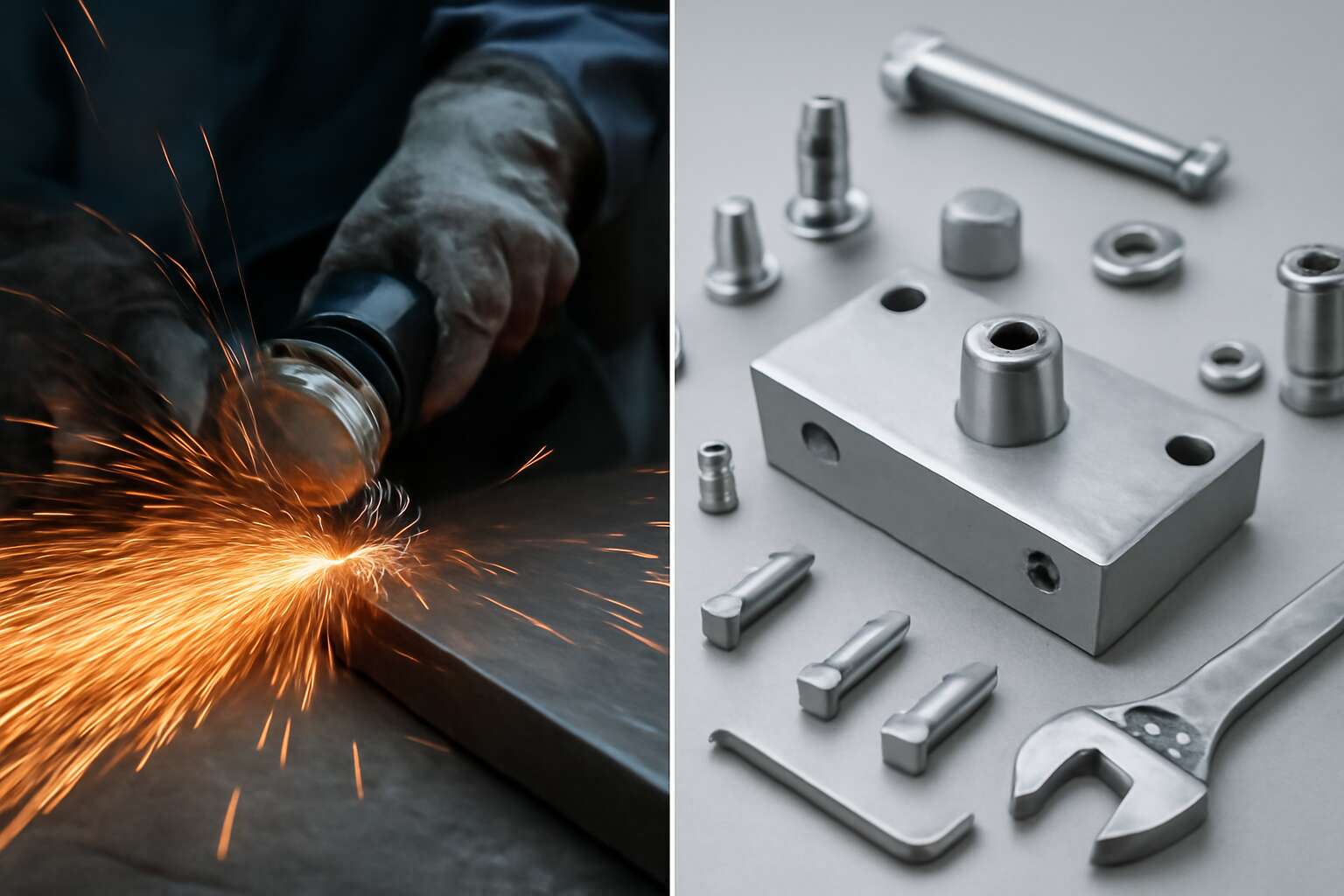
Fabrication transforms raw stock into the bones of a product—cutting, bending, welding, finishing. Assembly threads those bones into a living system, a chorus of parts harmonising into function.
- Design-to-manufacture alignment
- Process sequencing
- Quality tolerances
In South Africa, local suppliers and regulatory nuance shape the balance between fabrication and assembly. When teams align, ideas become durable artefacts rather than costly rework!
Section B: Materials, Methods, and Process Details
One SA stat worth a coffee break: one in four local projects falter on materials because specs lag reality. Fabrication vs assembly isn’t fluff; it separates a sturdy artefact from a fragile deadline. In Section B, materials shape how we cut and join.
Materials anchor the process: steel, aluminium, composites, and plastics drive different paths through fabrication and assembly. Choices govern weldability, machinability, finishes, and how fasteners bite, with South Africa’s supply chains in view.
- Weldability and corrosion
- Weight vs machinability
- Finish compatibility with joints
Process details matter: cutting, bending, joining, and finishing determine tolerances and inspection. When teams respect these differences, fabrication vs assembly becomes a cooperative tango, not a turf war.
Section C: Applications and Industry Use Cases
South Africa’s workshops pulse with possibility, yet one in four local projects stalls when specs lag reality. fabrication vs assembly isn’t abstract theory; it’s the hinge where a reliable artefact meets on-time delivery, especially in our diverse environments.
Across mining, construction, automotive, and energy, the dance between fabrication vs assembly shapes speed and reliability.
- Mining equipment: factory fabrication of modular components, with on-site assembly for rugged terrain
- Construction and civil engineering: pre-fabricated frames, field joints to accommodate weather and ground conditions
- Automotive and transport: precision fabrication of housings and interlocks, modular sub-assemblies for rapid fit-out
- Renewables and energy: prefabricated substations and ready-to-install assemblies to accelerate commissioning
In practice, that alignment means tailoring processes to local supply chains and skilled trades. This balance travels from workshop to site, keeping promises to clients and crews.
Section D: Decision-Making and SEO Strategy
In the theatre of industry, the choice between fabrication vs assembly writes the score of success. Early alignment can unlock a 30% faster delivery, turning volatile schedules into navigable rivers that hold the line on promises across South Africa’s diverse terrains.
- Supply chain resilience and local sourcing to weather disruptions
- On-site adaptability to weather, terrain, and skilled trades
- Quality, safety, and compliance across public and private clients
- Total cost of ownership and lifecycle maintenance for longer assets
For decision-makers, intent and locality fuse into a compass. This is where the art of planning meets pragmatic procurement, guiding teams to balance speed with reliability in a way that suits South Africa’s unique workshop-to-site journeys.


0 Comments