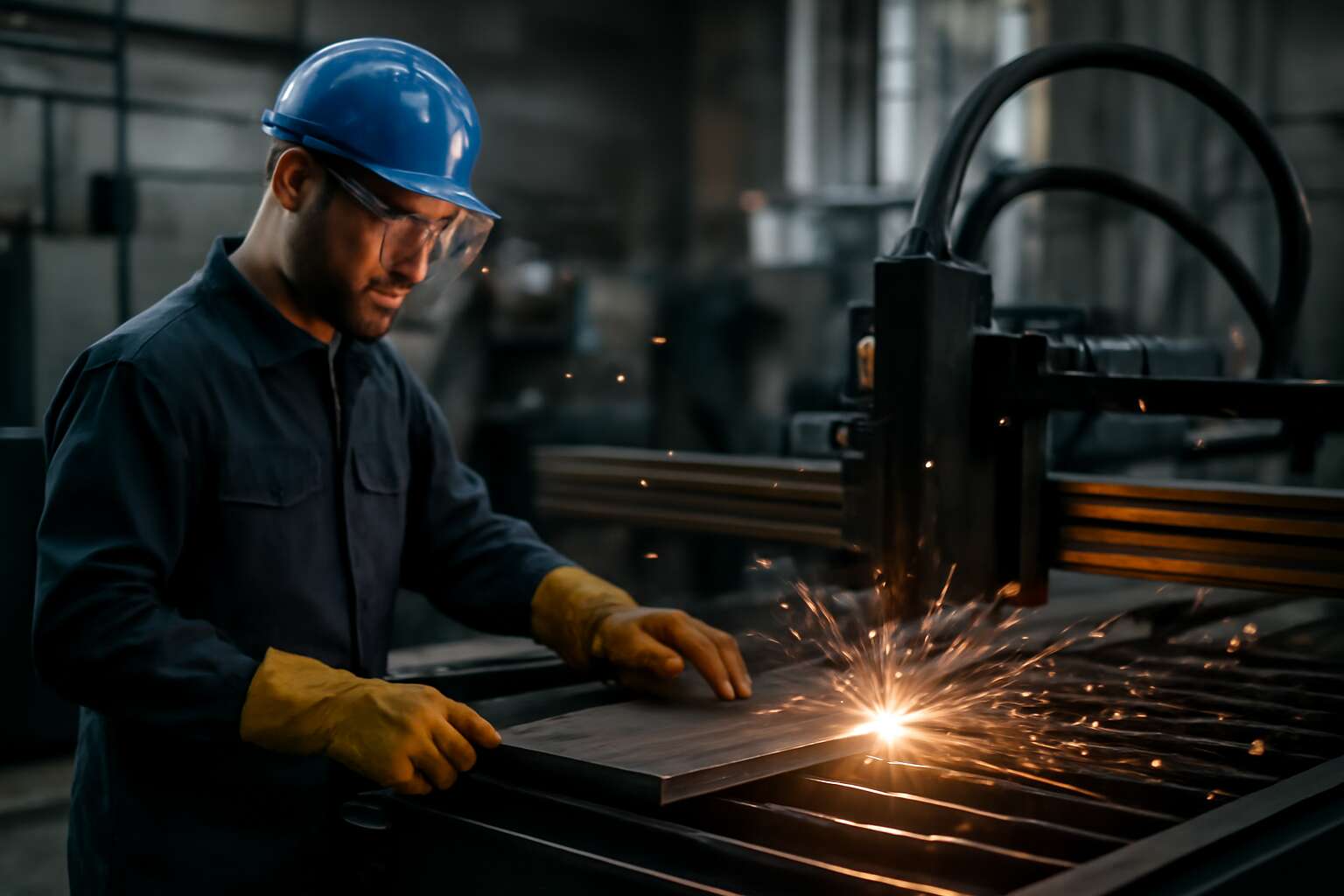
Fabrication Shop Roles: An SEO-Optimized Guide
Core Responsibilities in a Metal Fabrication Setting
“Accuracy is the only currency that never devalues,” a foreman told me once. On South Africa’s metal floors, the fabrication operator carries that creed from blueprint to finished part, weathering heat, grit, and pressure. Core duties blend precision with judgment: reading tight tolerances, selecting tooling, and setting up machines; conducting in-process checks; and steering the workflow to avoid bottlenecks and waste.
Key responsibilities include:
- Interpreting engineering drawings and solid models with intuition and care
- Preparing machines, fixtures, and tooling to exact specifications
- Performing interval inspections and final QC checks before dispatch
- Logging measurements and maintaining equipment cleanliness and safety
In a South African shop floor, the role is a guardian of form and function, balancing speed with integrity—and that moral weight is felt in every weld and cut!
Key Skills and Certifications for Fabrication Roles
On South Africa’s shop floors, downtime costs are high—roughly 40% stems from setup errors that ripple into scrap and delays. The fabrication operator stands at the frontline, keeping parts moving with calm precision under pressure.
Key skills for success span hands-on craft and disciplined problem solving:
- Precision measurement and quality awareness
- Tooling selection, fixtures and setup
- Safety compliance and workplace discipline
- Basic CAD literacy and on-the-floor problem solving
Certifications help professionals demonstrate competence and safety on the shop floor. Look for welding credentials, CNC basics, and quality management training, along with safety courses recognized in SAQA and NOSA standards.
Tools, Equipment, and Technology in the Fabrication Environment
South Africa’s shop floors run on momentum, not magic. Downtime costs can climb to 40% of production time, and the fabrication operator is the unsung air traffic controller keeping every part from colliding mid-flight.
Equipping the on-floor toolkit means blending traditional accuracy with modern tech. The on-floor toolkit includes:
- Precision measurement tools (calipers, micrometers)
- Fixtures, clamps, and fixturing systems
- CNC machines, plasma/laser cutters, and bandsaws
- Welding gear and grinding tools
- On-site QA software and digital job tracking
In today’s fabrication environments, technology nudges the operator toward fewer errors and faster setups. CAD literacy, real-time tolerance checks, and smart tooling are not buzzwords here—they’re the quiet productivity boost that defines the fabrication operator’s day.
Career Path, Advancement, and Industry Trends
On South Africa shop floors, the fabrication operator steers momentum, turning heat into precision. With downtime climbing toward 40% of production time, this role acts as an unseen air-traffic controller guiding each part to a safe, on-time landing.
A clear path exists for those who want to grow—from apprentice to seasoned specialist. The following milestones sketch a practical arc:
- Apprentice fabricator
- Fabrication operator
- Lead operator / crew chief
- Supervisor / shop-floor leader
- Production planner or manufacturing manager
As automation and digital QA reshape the industry, the fabrication operator increasingly blends hands-on craft with data literacy, real-time tolerance checks, and on-site digital job tracking. In South Africa, those who cultivate versatility and teamwork stand to advance fastest, riding the crest of a skilled-labor renaissance.


0 Comments