
Texas Fabrication Labor Tax Guide
Foundations of Fabrication Labor Tax in Texas
In the Texas shop floor, every fabrication decision carries a tax-halo—coloring bids, margins, and expectations. A veteran shop owner says, “The tax code is not paperwork; it’s a business strategy,” and that view shapes how we see the work. This piece peels back the Foundations of Fabrication Labor Tax in Texas, avoiding jargon and clichés for readers in South Africa.
When you ask is fabrication labor taxable in texas, the answer hinges on how work is billed and what is created. The classification matters as much as the steel itself, shaping how costs appear on invoices and how exemptions might apply.
- The nature of the asset created (tangible property vs. services)
- Where the service is performed and who holds resale or exemption certificates
- How costs are bundled with materials versus labor-only charges
These foundations illuminate how a Texas fabricator navigates liability and opportunity, a dance that keeps projects cohesive.
Texas Tax Rules and Exemptions for Fabrication Labor
A recent industry snapshot shows roughly one in three Texas fabricators say labor pricing is the hardest line on the quote. The tax code isn’t clutter; it’s a strategic compass that shapes bids, margins, and expectations on busy shop floors—whether in Texas or South Africa.
Consider the question: is fabrication labor taxable in texas? It hinges on how work is billed and what is created. If the output is tangible property, some rules apply differently than for pure services. The service location and who holds resale or exemption certificates can tilt liability.
- Where the service is performed and who holds resale or exemption certificates
- How costs are bundled with materials versus labor-only charges
- The nature of the asset created—tangible property vs. service
Texas tax rules and exemptions for fabrication labor offer clarity amid complexity, guiding firms toward consistent accounting and smoother project arcs.
Compliance, Reporting, and Recordkeeping
One in three Texas fabricators says labor pricing is the hardest line on the quote, a statistic that lands like a weight and a wake-up call. Compliance becomes a quiet craft—precise, strategic, and rigorous—whether the workshop faces Texas sun or South Africa’s shifting export tides.
Texas Fabrication Labor Tax Guide Compliance, Reporting, and Recordkeeping demands vigilance: track where the service is performed, who holds resale or exemption certificates, and how costs are bundled. The nature of the asset created—tangible property vs service—also dictates the tax path.
- Where the service is performed
- Resale or exemption certificates held by buyer or seller
- Allocation of costs between materials and labor
For readers in SA, the rhythms of Texas rules echo in disciplined documentation; the very question is ‘is fabrication labor taxable in texas’—a phrase that reminds us that clear billing and careful records travel across borders with ease.
Practical Scenarios and FAQs for Texas Fabrication Labor Tax
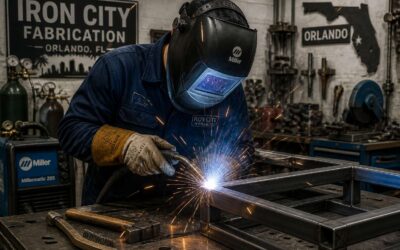
In the quiet glow of a Texas welder’s arc, the line between cost and comprehension rests on one phrase: ‘is fabrication labor taxable in texas’. That question anchors pricing, invoices, and audits alike. For South African readers, the cadence of Texas rules travels across oceans, turning practical billing into a quiet, mythic craft—I’ve watched it do that in shop shadows.
Practical scenarios illuminate how the question behaves in real workrooms:
- On-site Texas work within state lines.
- Cross-border orders ending in SA shipments.
- Mixed costs—materials and labor—require clear allocation.
FAQs drift like runes across the bench:
- Q: is fabrication labor taxable in texas? A: Tax depends on the asset and transfer location.
- Q: If the product leaves Texas, is labor taxed? A: Destination rules may shift liability.
- Q: Should labor be itemized separately? A: Clarity helps reporting.


0 Comments