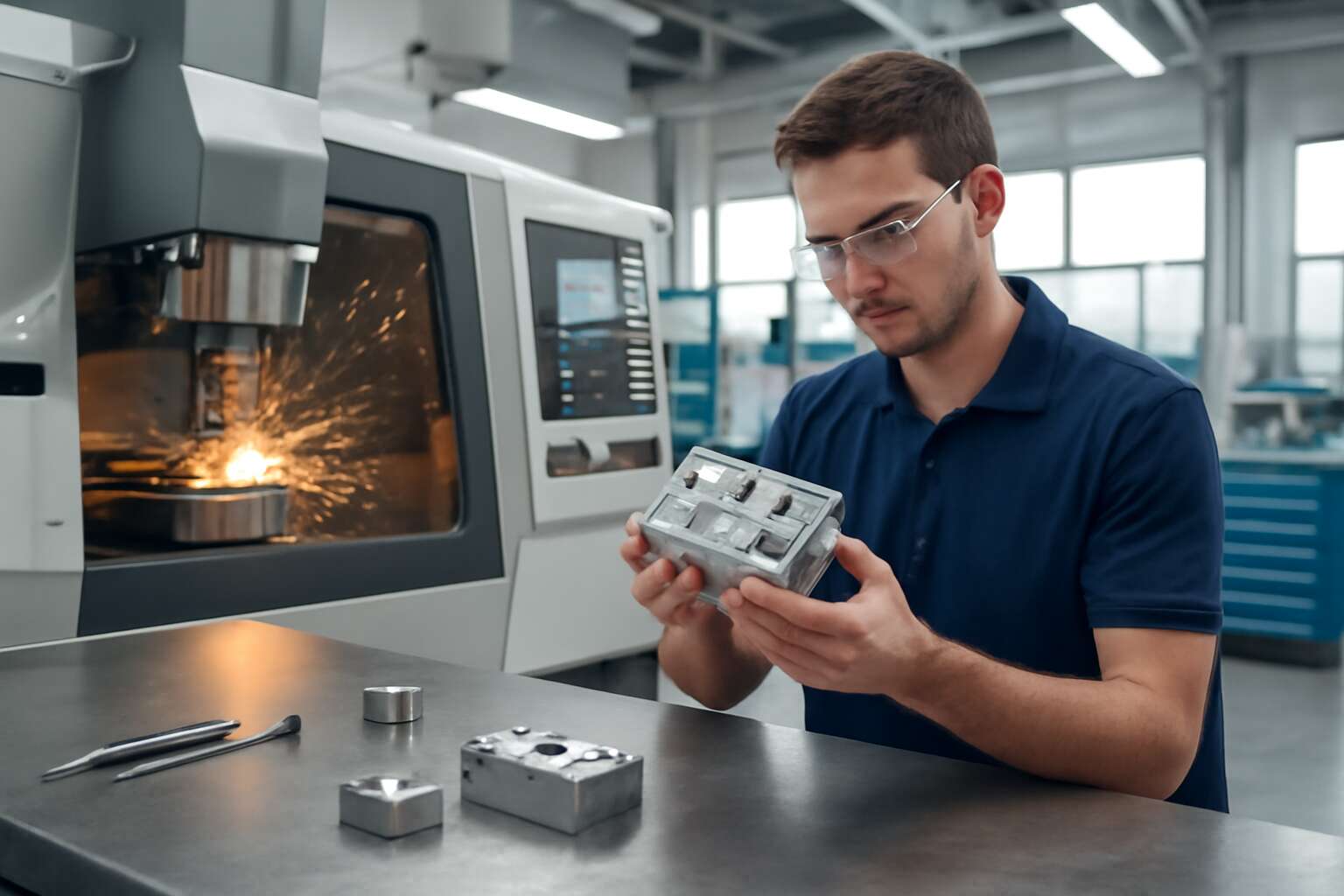
Overview of Fabrication Solutions
Defining Fabrication Solutions
The shop floor hums with a pressure-cooked energy, and a telling stat lands like a spark: 68% of local manufacturers report faster project turns when they embrace modern fabrication solutions. These aren’t fairy-tale tricks; they’re the disciplined craft behind fabrication products that transform stubborn steel into dependable parts for the next stage of any project.
Overview of Fabrication Solutions: From light-gauge sheet work to heavy structural components, fabrication solutions define the toolkit, methods, and partnerships that turn concepts into concrete outcomes. Precision cutting, bending, welding, and finishing—paired with stringent QC—deliver consistency in every batch. For South African workshops, the right mix reduces waste, trims lead times, and strengthens reliability across mission-critical builds.
What to expect on the shop floor includes core strengths that propel the loom of production:
- Precision and repeatability for fabrication products
- Efficient material use and waste reduction
- Integrated quality control that keeps every run on target
Core Categories in Fabrication
Among the clamor of rivets and fumes, a sharp statistic cuts through the noise: 68% of local manufacturers turn projects faster when they adopt modern fabrication products. That spark isn’t a trick of fate; it is discipline in motion, turning raw steel into dependable parts for the next phase of any build. In South Africa’s workshops, that efficiency translates into steadier output and quieter nights.
Overview of Core Categories: These pillars shape how concepts become concrete, with precision guiding every cut, bend, and burr.
- Cutting and material preparation
- Forming and bending
- Joining and fastening
- Finishing and surface treatment
- Integrated quality control and metrology
Together, they anchor reliable builds across South Africa.
Key Materials and Processes
In a South African workshop, a sharp stat cuts through the clamor: 68% of local manufacturers turn projects faster when they adopt modern fabrication products. That’s not luck; it’s discipline in motion, turning raw steel into dependable parts for the next phase of any build. Efficiency translates into steadier output and quieter nights.
Materials and methods shape the rhythm of fabrication solutions. Stainless and structural steels anchor strength, aluminium keeps weight down, and composites push boundary forms. Quick-change tooling and adaptable dies empower geometry, while heat treatments and coatings lock in durability.
- Stainless steel, aluminium, carbon steel
- Composites and high-strength alloys
- Powder coatings, anodizing, galvanizing
- Laser, waterjet, and traditional forming
Precision metrology keeps every detail honest, guarding the bond between idea and component.
How to Source Quality Fabrication Components
In South Africa’s workshops, 68% of projects complete faster when they lean into fabrication products. That speed isn’t luck; it’s a disciplined forge where planning, sourcing, and precision turn raw steel into dependable components that keep the line humming and the night shifts peaceful.
Overview of fabrication solutions reveals a quest rather than a checklist. You seek partners who deliver consistent performance, traceable quality, and scalable capacity. Choosing fabrication products means weighing lead times, tolerance specs, and after-sales support, all aligned with local standards and accessible logistics.
- Certified suppliers with documented quality systems
- Local distributors offering short lead times and stocked ranges
- Transparent material traceability and clear post-sale support
The journey is a tapestry of inspections, samples, and trust, where every component must sing in harmony with the next phase of the build.
Material and Process Excellence
Common Materials Used in Fabrication
Factory floors glow with the quiet magic of material choice, where the right alloy becomes resilience and the wrong pairing invites downtime. A telling industry pulse shows that material pairing dictates a large share of performance gains in modern fabrication products, turning every order into a lasting asset.
Common materials used in fabrication products span a spectrum of alloys prized for strength and workability. Consider these frequent companions to the craft:
- Stainless steel
- Aluminum alloys
- Carbon steel
- Copper and brass
- Titanium and nickel alloys
Process excellence then unlocks each material’s true potential—welding, forging, casting, and cutting-edge additive methods tailor hardness, fatigue life, and corrosion resistance. The result is precise tolerances, predictable performance, and a lifecycle that outlasts expectations across South Africa.
When material science meets process craft, parts whisper to the world with reliability and longevity!
Cutting and Forming Techniques
In the workshop’s hush, material and process excellence carve a path from raw stock to a trustworthy part. The right alloy paired with disciplined heat and hammer yields edges that hold and fatigue life that grows. A telling industry pulse says 63% of performance gains come from cutting and forming techniques speaking to the metal’s nature, turning every order into a lasting asset in fabrication products.
- Laser cutting for crisp edges and minimal distortion
- Water-jet and plasma for complex geometries
- CNC bending and roll forming for tight tolerances
- Hydroforming for hollow, high-strength profiles
Here, South Africa’s workshops tune to a nocturnal tempo where alloy and method converge. The result is parts that endure, finish that resists wear, and a quiet confidence carried to the customer with every shipment.
Welding and Assembly Standards
Edge-to-edge integrity isn’t luck; a recent line audit reveals shops that codify welding and assembly standards reduce rework by up to 40%, elevating fabrication products from order to asset.
Material and Process Excellence in Welding and Assembly Standards isn’t about fancy jargon; it’s WPS, WPQ, NDT, and clean-fit protocols that ensure every joint performs under fatigue.
- Welding Procedure Specifications (WPS) with defined weld types and heat input
- Welder Qualification Tests (WQT) to certify operator capability
- Non-destructive Testing (NDT) protocols for flaw detection
- Torque and fastening standards to maintain consistent clamping force
South Africa’s workshops tune to a nocturnal tempo where ISO 9001 and SABS expectations shape traceability, batch records, and inspection readiness, delivering parts that endure.
From the shop floor to the client’s dock, meticulous welding and assembly standards elevate the offering, delivering a quiet confidence in the shipment.
Surface Finishes and Treatments
Surface finishes aren’t vanity; they’re a quiet warranty on performance. In fatigue testing, a refined finish can extend service life beyond what raw metal promises, turning everyday parts into dependable assets.
Material and process excellence in finishes spans cleaning, degreasing, micro-roughening, and corrosion-resistant coatings. Here are several choices that fit everyday fabrication demands:
- Shot peening to induce beneficial residual stress
- Electropolishing for smooth, fatigue-friendly surfaces
- Passivation and protective coatings for corrosion resistance
South Africa’s workshops operate with ISO 9001 and SABS benchmarks, ensuring traceability, batch records, and inspection readiness. When surface finishes are chosen and applied with discipline, fabrication products arrive with a quiet confidence that speaks to durability and value rather than flash alone.
Quality Assurance in Fabrication Workflows
A crisp statistic hooks: disciplined quality assurance can cut rework and warranty costs by up to 40%. In South Africa, this is less a slogan than a standard embedded in every workshop.
Material and process excellence in fabrication workflows rests on clearly defined gates, from cleaned inputs to verified outputs. Rigorous traceability, batch records, and inspection readiness travel with every lot, ensuring components align with a single, auditable standard.
- Pre-production material certification and supplier qualification
- In-process dimensional checks and non-destructive testing where required
- Post-production final inspection and release documentation
ISO 9001 and SABS benchmarks in SA aren’t cosmetic; they’re the quiet guarantee that these systems deliver durable, predictable performance. When QA-driven workflows are embedded, you’re not just buying into compliance—you’re investing in fabrication products.
Applications Across Industries
Industrial Machinery and Equipment
“Uptime is king,” a plant manager once told me, and it sticks. Across industries, the demand for reliable fabrication products is the quiet engine behind every rollout in South Africa’s industrial heartland. When machines hum with precision, they transform raw materials into value, and that edge starts with smartly engineered components designed for endurance.
From mining to agriculture, and from energy to construction, the range of applications is vast:
- Mining and minerals handling equipment
- Agricultural and food-processing machinery
- Automotive assembly and aftermarket lines
- Renewable energy systems, including wind and solar supported components
- Heavy-lift and material-handling machinery
These applications demand components that balance stiffness, weight, corrosion resistance, and long service life. In practice, reliable parts—frames, housings, and welded assemblies—keep downtime low and throughput high, a truth I’ve witnessed on factory floors where precision translates to performance.
Construction and Infrastructure
Across South Africa, construction and infrastructure projects rely on fabrication products to stay on schedule. When bridges rise, roads widen, or industrial facilities expand, durable frames, housings, and welded assemblies mean less downtime and safer work sites. The edge is real: components built to endure perform where it counts—in harsh weather and heavy use.
- Bridges and civil structures
- Transport hubs and rail corridors
- Water and wastewater infrastructure
- Energy-ready facilities and substations
On site, measurement and fit matter as much as material choice. The result is predictable assembly and lasting performance for communities relying on resilient infrastructure.
Automotive and Transportation
Across South Africa’s automotive corridors, uptime is the quiet engine of progress. The fabrication products that keep the line humming ensure presses fire on time and welds stay true. “Uptime is the new productivity,” notes a plant engineer, and the truth echoes across assembly floors where precision matters and every component earns its keep.
In automotive and transportation, there are enduring applications that rely on refined fabrication products:
- engine and drivetrain housings
- lightweight frame assemblies
- protective enclosures and mounting brackets
On the shop floor, measurement and fit guide the outcome as much as material choice. When components meet with exacting tolerance, assemblies endure under harsh conditions, delivering dependable service for communities relying on resilient transport networks powered by fabrication products.
Energy, Aerospace, and Defense
Across energy, aerospace, and defense, uptime is a ruthless metric that trims risk and sharpens performance. In South Africa’s industrial heartbeat, a 1% uplift in reliability can ripple through maintenance, mission readiness, and cost containment. Fabrication products stand at the quiet center of that equation, shaping components where precision and endurance converge—every bolt, every bracket!
Consider how these sectors translate intent into form:
- Energy storage enclosures and turbine housings
- Lightweight aerostructure frames and vibration-damping mounts
- Rugged defense housings and modular mission mounts
On the shop floor, exacting measurement and fit determine a component’s fate on harsh terrain and in extreme environments. When teams align capability with durability, communities rely on resilient networks—whether fueling grids, enabling flight, or supporting defense platforms across South Africa.
Choosing a Fabrication Partner
Evaluating Capabilities and Capacity
South Africa’s manufacturing landscape demands precision and reliability. Choosing the right fabrication partner cuts project risk and speeds delivery. Studies show projects aligned with a capable supplier finish on time 30% more often. For fabrication products, this collaboration matters—from design intent to final assembly, the right partner streamlines workflow and quality.
- Capabilities: breadth of processes, modern equipment, and trusted certifications
- Capacity: consistent lead times, scalable production during peak demand
- Quality controls: robust QA systems, traceability, and decisive non-conformance handling
- Supply chain resilience: stable suppliers and credible contingency plans
Beyond specs, clear communication, documented procedures, and a proven track record in similar markets add credibility. Local support—through Durban, Johannesburg, or Cape Town—helps shorten cycles and keeps projects moving smoothly.
Technology and Equipment Inventory
Partnering for precision means measuring the gear that makes your project possible. In South Africa, the right fabrication partner keeps a razor-sharp technology and equipment inventory—think CNC routers, laser cutters, robotic welders—ready to roll. That readiness translates to fewer bottlenecks and a steadier flow from first sketch to final bolt.
- Comprehensive asset lists with calibration records and maintenance histories
- Preventive maintenance and spare-part guarantees to maximize uptime
- Real-time production visibility and seamless design-to-manufacture integration
Local support across Durban, Johannesburg, or Cape Town brings hands-on problem-solving and quicker cycles. A partner with credible contingency plans and a track record in similar markets keeps projects moving, even when supply lines wobble. When the machinery hums reliably, fabrication products arrive on time, and your stakeholders breathe easier.
Lead Times, Costs, and Reliability
Time is the blade that scripts a project. “Lead times are the heartbeat of the workshop,” a seasoned fabricator once whispered, and the truth lingers. In South Africa, the right fabrication partner turns planning into procession—steady, predictable, and proud—delivering what is needed most.
Lead times, costs, and reliability form the triad guarding momentum. A transparent calendar keeps milestones honest; clear quotes keep margins sane; consistent performance keeps stress low.
- Lead-time visibility tied to each fabrication product family
- Transparent, itemized costs with contingency allowances
- Track record of on-time delivery and rapid issue resolution
Locally, trusted partners across Durban, Johannesburg, and Cape Town anchor the process with support, contingency plans, and real-time visibility. The result: fewer bottlenecks, steadier flows, and confidence that fabrication products arrive on schedule, even as shadows lengthen over the supply chain.
Quality Certifications and Standards
Momentum in fabrication rests on trust, and a single misstep in certification can derail a project. Industry data hints that nearly 30% of delays trace to gaps in approval or traceability. When choosing a fabrication partner, I look for a visible, verifiable pedigree: clear standards, transparent change control, and a proven history with fabrication products that perform under pressure. It isn’t just about components arriving on time; it’s about the confidence to plan, budget, and commit, knowing the partner will stand by every milestone.
Quality certifications and standards aren’t decorative patches; they are the spine of reliability.
- ISO 9001 quality management
- ISO 3834 welding quality standards
- SABS certification and the SABS mark
- ISO 14001 environmental management
South Africa’s market rewards partners who can demonstrate on-site audits, third-party certifications, and a live, auditable trail from procurement to delivery.
Supply Chain and Logistics Considerations
Alarms on the tracker light up late—nearly a third of projects stall due to gaps in approval and traceability. When you choose a fabrication partner, you’re not selecting a box of parts; you’re investing in momentum that must weather every spool of the supply chain. I want a partner whose pedigree is visible and verifiable—that means clear standards, transparent change control, and a history of achieving in-field performance with fabrication products under pressure, whispers in the warehouse.
Key considerations include:
- Transparent procurement and digital traceability from order to delivery
- On-site audits and third-party certifications that prove capability
- Robust change control and synchronized delivery scheduling aligned with milestones
In South Africa, the ability to audit on-site and trace every step protects your fabrication products from unforeseen delays and ensures alignment with local regulations, robust supplier ecosystems, and customer expectations. It’s a belt-and-braces approach that keeps milestones intact and budgets sane.
Customer Support and After-Sales Services
Choosing a fabrication partner is less about spec sheets and more about the safety net beneath them. A strong customer-support spine keeps production humming when plans derail and budgets bite. You want a partner whose response times feel surgical and whose people speak plainly—because in the real world, good after-sales is a competitive edge in fabrication products.
- On-site support with trained technicians and scheduled visits
- Remote diagnostics, real-time dashboards, and rapid escalation paths
- Local spares, clear warranty terms, and SLA-backed response times
Here in South Africa, the ability to audit on-site and verify the service ecosystem protects you from delays, while meeting local regulations and supplier ecosystems.

0 Comments