Understanding Fabrication
Fabrication ka hindi has two very different meanings. In technical circles, it translates to “nirman” for constructing or assembling parts. In everyday speech, it becomes “gadhna”, which is the act of inventing a falsehood.
This split confuses many people. I have seen it cause arguments in workshops.
Consider the practical uses:
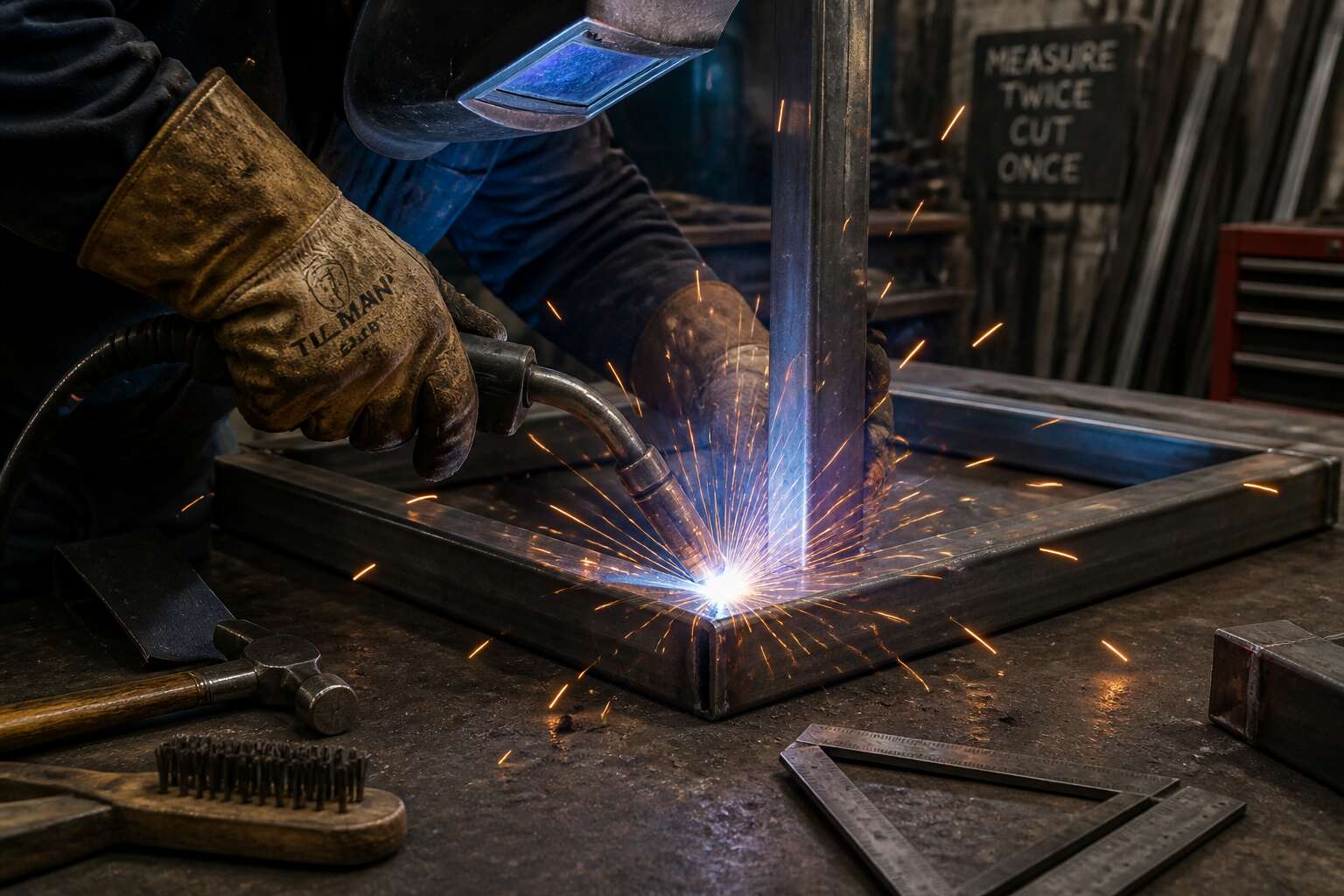
- In a factory, fabrication is about cutting, bending, and welding steel.
- In a conversation, it is about telling a story that never happened.
Getting fabrication ka hindi right depends entirely on context. The Hindi language gives you both, so you have to choose wisely. It is a neat little mental exercise, and sometimes it is quite funny.
Hindi Meaning and Usage
The word fabrication carries weight in South Africa’s industrial heartland. In Hindi, fabrication ka hindi translates to nirmaan, the very act of building from raw materials. Consider the layers of meaning:
– In workshops, it means cutting and welding steel.
– In daily speech, it can mean creating a false story.
– In art, it means constructing a sculpture.
This duality is fascinating. The Hindi roots capture the physical labour and sparks of the factory floor, while the English usage drifts towards deception. For a South African tradesperson, knowing fabrication ka hindi connects local slang and ancient linguistic precision. It is a practical term that binds the carpenter, fitter, and turner together. When you see a perfectly welded frame on a vehicle travelling the N1, remember that underneath lies a complex idea, as much about creation as it is about truth.
Fabrication Across Different Domains
The very concept of truth bends and warps depending on the lens you view it through, a notion that holds particular weight in the world of creation. When we speak of manufacturing a physical object, the term “fabrication ka hindi” translates beautifully to nirman or rachana, signifying a process of genuine, tangible construction. It is the act of bringing an idea into the physical realm, a pure and powerful transformation. However, the same phrase takes on a far more sinister hue when applied to stories, evidence, or data. Here, the meaning shifts to jhutha aarop or man-gadhant, pointing to the deliberate construction of a falsehood, an elaborate deception spun from thin air.
To truly grasp this duality is to understand the power of language itself. In a country as diverse as South Africa, where storytelling is a cultural cornerstone and trust is the currency of commerce, the distinction is critical. The context dictates the meaning completely, and getting it wrong can have profound consequences, whether in a court of law or on a factory floor.
Consider the different ways this plays out in daily life:
– Engineering: A metal component is fabricated through welding and assembly, a positive act of building.
– Media: A news report is fabricated to sway public opinion, a damaging act of deception.
– Academia: A research paper contains fabricated results, a severe breach of ethics.
– Everyday Talk: A person might fabricate a reason for being late, a minor social transgression.
Each of these instances uses the same root concept, yet the moral weight is vastly different. The English word itself carries this inherent ambiguity, but when you ask for “fabrication ka hindi,” you must be precise. Seeking the exact word in Hindi forces you to clarify your intent, to specify whether you are building a bridge or building a lie. This linguistic precision is not just a technicality; it is a vital tool for clear communication in any professional or personal context. Being able to distinguish between the noble act of creation and the destructive act of deception is the first step towards a more honest and transparent interaction, whether you are discussing a new project or dissecting a piece of news. The language forces the clarity, and that is a gift.
Core Fabrication Processes
Every skyscraper, bridge, and metal chair you’ve cursed at starts the same way. A flat steel plate gets cut, bent, welded, and assembled. That’s fabrication in its rawest form, exactly what South Africans hunt for when they search fabrication ka hindi online. The processes haven’t changed much in a century, though the machinery certainly has.
Core fabrication processes break down into four steps, and I promise they’re simpler than your last tax return:
- Cutting, which turns oversized plates into exact shapes using plasma, laser, or shearing.
- Bending, where press brakes fold metal into precise angles.
- Welding, fusing pieces together with heat and a steady hand.
- Assembling, the final fastening that makes everything look intentional.
Each step demands precision. One bad cut and you’re grinding, patching, and explaining to your boss why the deadline slipped. That’s the essence of fabrication ka hindi. No translation needed for that feeling!
Fabrication Industry in India
The fabrication industry in India is the gritty engine room of the nation’s infrastructure boom. It is a sector that thrives on precision and sheer physical effort, transforming raw metal sheets into the skeletal frames of skyscrapers, bridges, and heavy machinery. This is not a clean, automated process. It is loud, often hot, and demands an almost stubborn attention to detail from the workers who handle the heavy equipment. The market has grown substantially, reportedly accounting for a significant slice of the country’s manufacturing output, which powers its rapid urbanisation.
My interest lies in the human side of this industrial might. The language spoken on the workshop floor is a blend of technical English and local dialects. Here, an inveterate welder might refer to the entire process as “fabrication ka hindi,” a colloquial acknowledgment that the trade has its own local lexicon. This phrase captures how complex drawing sheet instructions are translated into practical, actionable steps for a crew speaking regional languages. It is a distinct translation of engineering principles into a vernacular of grime and steel.
The process is not simple. It starts with cutting and progresses to shaping, which involves more than just muscle.
– The raw material, often various grades of structural steel.
– The bending and rolling, which requires specialised presses.
– The assembly of components, where alignment is critical.
Despite the advent of automation, many units still rely on semi-skilled labour for these tasks. The sheer scale of the work, such as fabricating a 50-tonne ladle for a steel plant, demonstrates a level of capability that is often overshadowed by the tech sector. It is this grassroots proficiency in heavy engineering that positions India as a valuable player in the global supply chain for customized industrial equipment. The clang of metal on metal is the sound of a nation literally building its own future.

0 Comments