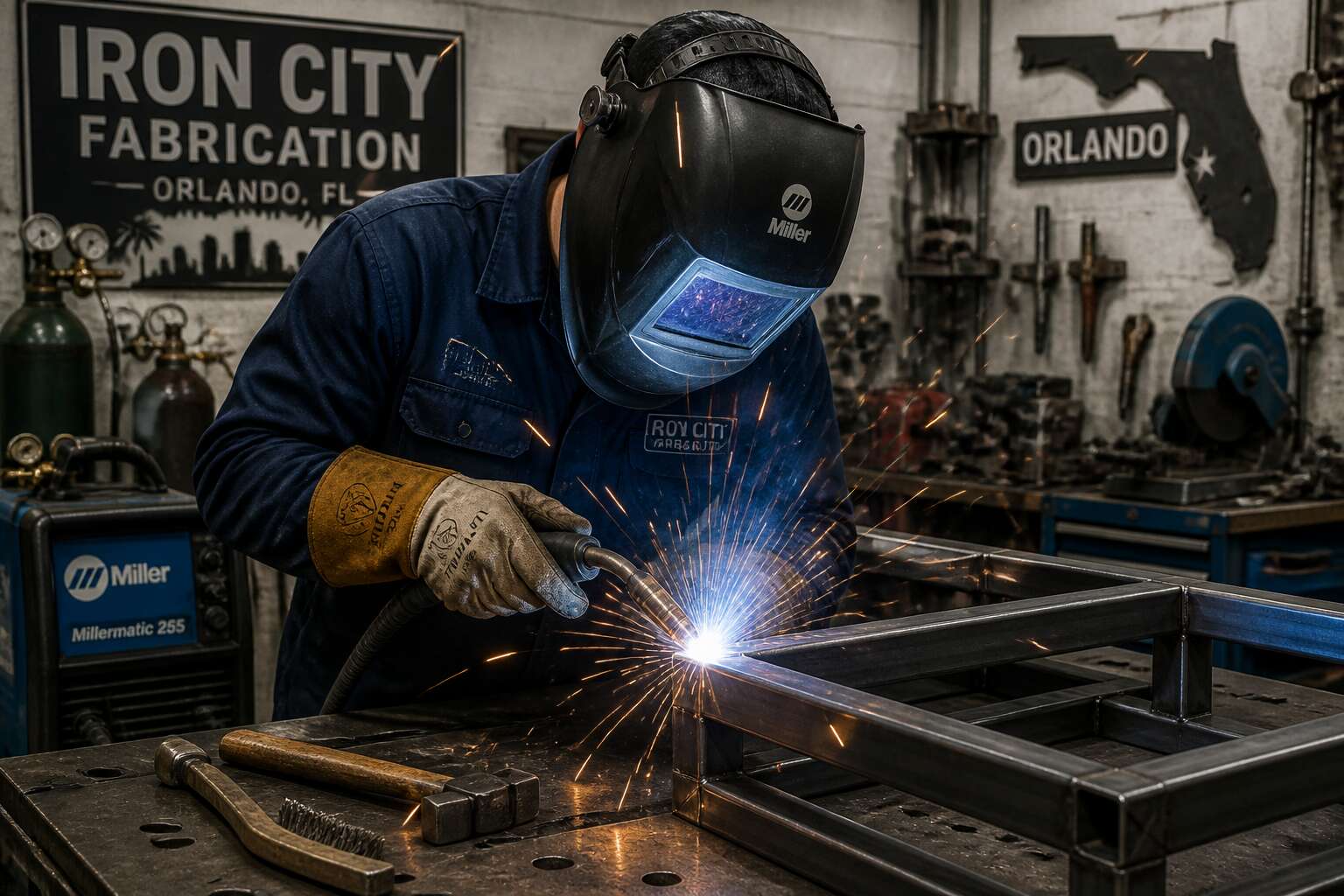
Understanding the Local Fabrication Landscape
Key Industries Driving Demand for Metalwork
Walk through Orlando’s industrial corridors and you’ll notice the sheer variety of metalwork behind those warehouse doors. Theme parks and tourism define the city’s public image, yet the fabrication sector thrives on quieter industries. Aerospace firms demand tight tolerances for aircraft components. Entertainment companies need ride and stage structures that endure constant use. Commercial construction requires structural steel delivered on unforgiving schedules.
The common threads are speed, precision, and specialized skill. A single project might involve custom metal fabrication orlando shops working alongside engineers to solve material fatigue issues or fit constraints that off-the-shelf parts simply cannot address.
These industries share specific needs:
– Rapid prototyping for new ride elements
– Certified welders familiar with marine-grade alloys
– On-site measurement for retrofit work
That pressure explains why custom metal fabrication orlando has developed such a specialized workforce. The finished pieces often go unnoticed, but they support the entire region’s infrastructure and keep its most visible attractions running safely!
Types of Fabrication Services Available in Central Florida
You might assume every fabrication shop on the I-4 corridor is interchangeable. That assumption dissolves the moment you watch a fabricator reconcile a 3D model against a warped steel beam. The local landscape splits into distinct specialties. Shops that chase amusement ride tolerances rarely touch architectural blacksmithing, and vice versa.
The service menu is surprisingly deep. Most facilities offer cutting, forming, machining, and welding. But custom metal fabrication orlando often hinges on assembly and finishing. Those final steps determine whether a product survives Florida’s humidity.
- Plasma and waterjet cutting for thick plate.
- CNC machining for precision brackets.
- TIG welding for thin stainless sections.
Security grilles, marine fittings, equipment frames. Each demands a different production flow. The best shops match their processes to the material’s story. That adaptability separates a job shop from a true fabrication partner, especially when custom metal fabrication orlando turns a napkin sketch into a certified structural part.
Material Options Engineered for Florida’s Humid Climate
For custom metal fabrication Orlando, humidity is not a background condition. It is a design constraint. I have watched powder coating bubble within eighteen months when a fabricator skipped the pretreatment stage. Salt from nearby coastal air changes the rules for every alloy.
Material selection often matters more than the cutting process. For outdoor structural work, 316L stainless resists chloride pitting far longer than 304. Marine-grade aluminum, such as 5052, offers strength without the galvanic corrosion risks of bare steel. Hot-dip galvanized steel remains a common choice for frames that must endure decades of storms.
Shops that last in this market settle on three factors before cutting a single plate:
- Salt exposure and proximity to the coast.
- Condensation cycles inside unconditioned warehouses.
- Chemical residue from cleaning products.
That list is what separates a fitting design from a failed one in custom metal fabrication Orlando.
How to Choose the Right Fabrication Partner
Evaluating Certifications, Insurances, and Experience
When a certification lapses, the whole project stalls. I have seen a shop lose weeks because a weld inspector rejected an outdated procedure. Evaluating a custom metal fabrication orlando partner starts with documents, not demos.
Pull their certifications and verify expiration dates. Request insurance certificates that match the scope of work, including on site installation. Experience is the deciding factor. You need a shop that has solved your kind of problem!
- Check the accrediting body for relevance.
- Confirm general liability and workers comp limits.
- Speak to the project manager, not the salesperson.
For custom metal fabrication orlando, humidity changes how welds are made. Local experience also means familiarity with permits. Ask for proof of past work. A documented track record outweighs a persuasive pitch.
Assessing In-House Capabilities versus Outsourced Vendors
In any decent shop, the true topography of capability is only revealed when you ask what happens after the blueprint lands on the foreman’s desk. The most significant variable in custom metal fabrication orlando work is control over the production sequence. A vendor who outsources cutting or bending introduces logistical friction that can compromise the tolerances you paid for. In-house capabilities mean the engineers and welders share the same floor, the same coffee machine, and the same quality standards. That proximity eliminates the excuse of miscommunication.
Outsourced vendors can offer lower upfront numbers, but they fracture your accountability.
When a problem arises, you will chase answers across multiple management chains. Conversely, a fully equipped facility keeps your project on a single, definable path. For custom metal fabrication orlando projects, assess the shop’s actual floor space and machine inventory. Look for the specific equipment that matches your material type, not general promises. I have walked into shops that claimed full service, only to find their welding booths empty and their bending outsourced to a third party across town. The real question is whether the facility can handle your specific size, thickness, and finish without a single subcontractor invoice. If they cannot, your delivery date becomes a hostage of someone else’s schedule. The decision between in-house and outsourced is ultimately a decision about risk allocation, and you should always sleep with that risk on the side that has the most to lose.
Reading Beyond Client Testimonials and Portfolios
Stop reading the portfolio page and start walking the shop floor. For custom metal fabrication orlando, the real evidence of competence is in the day to day operations, not the photographs. I have seen project galleries that hid chronic delays and sloppy welds. Ask to see a job in progress, then talk to the welder, not just the salesperson. The best partners handle the boring details, like a last-minute material change.
- Who answers the phone when the engineer is busy?
- What happens when a dimension falls out of tolerance?
- How do they document revisions?
Their answers will tell you more than any client quote ever could.
Securing Accurate Quotes and Realistic Project Timelines
Nobody ever got a steel beam delivered early because the estimator felt generous. A quote is a set of assumptions, not a commitment to reality. For custom metal fabrication orlando, a realistic timeline emerges only after someone on the shop floor sequences the cuts, welds, and finishes. Ask how many jobs are queued ahead of yours.
Then ask for the payment schedule. A sensible contract ties progress to measurable milestones. You should see penalties for late delivery, not just bonuses for early ones.
- Who owns the risk of a material price spike?
- What happens if the engineer changes a dimension next Thursday?
- How many revisions are included before the quote gets rewritten?
Accurate quotes depend on the answers to these questions. The cheapest bid buys you a future argument.
Top Metalworking Applications and Projects Across the Region
Architectural Metalwork, Awnings, and Canopies
Street-level architecture in Orlando relies on metalwork that balances visibility with resilience. Custom metal fabrication orlando shops produce entrance canopies, lobby screens, and exterior railings that must survive intense afternoon storms and relentless UV exposure. The best projects start with precise measurements and end with field-verified fits.
Awnings and canopies carry specific functional demands. A crooked framing line or a poorly pitched gutter ruins a storefront’s appeal. Fabricators use brake presses and TIG welding to create curved profiles and crisp joints. Common applications in the region include:
- Outdoor dining covers with integrated lighting
- Walkway canopies for schools and medical offices
- Decorative pergolas with aluminum louvers
Each element must align with structural drawings and local wind codes. Shear strength, fastening methods, and thermal expansion all matter. Contractors who choose custom metal fabrication orlando vendors gain components that install cleanly and hold their shape for decades.
Commercial Signage and Structural Steel Frames
Commercial signage and structural steel frames define Orlando’s built environment in ways most visitors never notice. A cantilevered sign over a restaurant entrance must resist uplift forces that would bend lesser assemblies. Structural steel frames for rooftop units carry dead loads while tolerating thermal drift across steel members.
Fabricators in the region sequence work carefully. They drill coplanar bolt groups in the shop, then erect frames in controlled lifts. Any custom metal fabrication orlando vendor worth hiring compresses field splicing to reduce weather exposure.
- Monument signs with reinforced bases for high wind zones
- Channel letter sets with aluminum returns and acrylic faces
- Mezzanine steel with composite decking for retail storage
Marine-Grade Welding and Corrosion-Resistant Components
Marine-grade welding demands a different discipline. Salt air and brackish water attack standard welds with relentless efficiency, so fabricators turn to duplex stainless steels and aluminum alloys with specific filler metals. A dock structure in Orlando’s lake country faces moisture exposure that would destroy carbon steel within seasons.
For custom metal fabrication orlando, corrosion resistance starts with material selection and continues through weld preparation. Proper purge gas prevents oxidation on the root pass. Post-weld passivation restores the chromium oxide layer.
Common marine and corrosion-resistant projects include:
– Dock ladders and boat lift frames in 316L stainless
– Aluminum gangways with slip-resistant tread plate
– Exhaust stacks and heat exchangers for marine engines
Each requires certified welders who understand heat input and distortion control. The margin between a sound weld and a failing one narrows considerably when chlorides are present. Choosing a custom metal fabrication orlando partner with proven marine experience reduces that risk substantially.
Industrial Safety Railings, Stairs, and Platforms
Fall protection violations top the list of workplace safety citations every year, yet many Orlando facilities still rely on railings that barely pass a visual inspection. That’s a gamble with lives and liability.
Custom metal fabrication orlando shops build the stair strings, platform decks, and guardrail systems that keep distribution centers, breweries, and rooftop HVAC units accessible and safe. These aren’t catalog products. Every rise, angle, and load point gets engineered for its specific setting.
- OSHA compliant guardrail systems for mezzanines and rooftops
- Industrial staircases with serrated grating treads
- Platform assemblies with kick plates and integrated toe boards
Weld quality separates a dependable railing from a decorative one. I’ve seen handrails fail because the welds looked solid on the surface but lacked penetration at the base plate. Clean joints and consistent beads matter when a worker leans against that rail forty feet above a concrete floor!
Restaurant, Retail, and Hospitality Custom Fit-Outs
Restaurant and retail spaces in Orlando live or die by atmosphere, and metal sets that mood more than any other material. A bar top’s brushed finish, a host stand’s sharp lines, a storefront’s glowing channel letters, these are the details customers feel before they ever touch a product. Custom metal fabrication orlando shops build the bones of these experiences, turning design concepts into durable, tactile elements that survive the daily chaos of service and foot traffic.
The hospitality industry demands materials that are both beautiful and brutally functional. A wine rack must hold its weight without flexing, a handrail must feel solid at 2 a.m., and a display frame must not tarnish from constant cleaning. This is where local fabricators shine, using their knowledge of steel, brass, and aluminum to create pieces that are as practical as they are striking. Restaurants often need:
– Custom range hoods and vent covers that handle grease and heat
– Decorative stair railings and balcony guards for mezzanine seating
– Freestanding bar units with integrated sinks and drain boards
– Exterior awnings and pergolas for patio dining areas
Retail projects across Central Florida depend on a different kind of precision. Store planners want fixtures that guide the eye and maximize product visibility, which means every shelf bracket, clothing rack, and display table must be measured to the millimeter. A poorly fabricated fitting room partition or a wobbly shoe display ruins the shopping flow, pushing customers out the door. Metal fabrication shops close that gap between a concept sketch and a flawless installation, delivering everything from structural steel frames for large-format stores to delicate brass accents for boutique shops.
The role of the fabricator here is part craftsman, part translator. They take an interior designer’s vision, often drawn in a 3D render, and figure out how to make it stand, hang, or pivot in the physical world. That requires conversations about gauge thickness, weld seams, and finish options like powder coating or patina. For hospitality clients in Orlando’s humid climate, these decisions carry extra weight, as the wrong coating can peel within a season. Working with a custom metal fabrication orlando team that understands local conditions ensures the final product looks as good on opening night as it does years later, long after the novelty has worn off. The result is a space where form and logic coexist, where every curve serves a purpose and every joint holds a story.
The Complete Fabrication Workflow for a Seamless Build
Step One: Initial Consultation and On-Site Survey
Every seamless build begins long before any metal is cut. In custom metal fabrication orlando, the initial consultation and on-site survey set the foundation for everything that follows. I walk the actual space, measuring corners, checking load points, and noting environmental factors that drawings never reveal.
During this phase, we discuss your vision, but more importantly, we examine the constraints. A staircase that looks perfect on paper might clash with an existing beam. A canopy needs clearances for wind uplift in Florida’s storms. This is where we catch those issues.
- Verify exact dimensions and tolerances
- Identify access routes for large fabricated pieces
- Assess existing structural connections
That first site visit saves weeks later. Skipping this step means risking costly rework. So we measure twice, ask plenty of questions, and leave with a clear plan.
Step Two: CAD Design, Engineering, and Code Compliance
Skip the CAD phase and your project becomes pure guesswork, and guesswork never survives contact with Florida building codes. Step Two takes your rough vision and turns it into a design that engineers can actually approve. I model every component in software, check clearances, and simulate loads long before any steel is ordered.
This is where the computer earns its keep. It flags a bracket that would fail under hurricane wind speeds. It catches a collision between a new stair stringer and an existing duct. It ensures the drawing matches the reality of your site, not the ideal version in someone’s head. The software does the heavy lifting so the installers do not have to.
Only after the model passes every check do we finalize the drawings. In custom metal fabrication orlando, this step prevents expensive surprises during installation.
Step Three: Material Sourcing, Cutting, and Bending Preparation
Once the engineering model clears, the next phase moves from screen to shop floor. Material sourcing in custom metal fabrication orlando starts with validating mill certificates and checking grain direction, especially for steel that will face Florida’s humidity. I order stock with allowances for kerf loss and springback, because a bend tolerance of half a degree changes a railing’s final fit.
The cutting process then begins. Plasma tables handle thick plate, while laser cutting suits thinner gauges with minimal heat distortion. For each piece, I mark the bend line and check the brake press settings before forming. This preparation ensures every flange and fold matches the approved drawings.
Sometimes the sequence demands a quick list:
- Confirm raw material thickness
- Deburr cut edges
- Protect surfaces with temporary coating
Each step removes variables before the first weld.
Step Four: Precision Welding, Assembly, and Quality Assurance
The welding station demands precision. In custom metal fabrication orlando, I dial in the amperage, confirm the filler rod, and inspect every joint before striking the arc. Heat management determines whether a frame stays true or warps beyond repair. That is where experience shows up!
Tack welds hold the geometry. Then I work in opposing order to minimize distortion.
Quality assurance follows a strict checklist:
- Verify dimensions against the approved model
- Inspect each weld for porosity or undercut
- Confirm surface finish meets specification
The final gate is a test fit on site. The piece matches the drawing or it gets corrected. No exceptions.
Step Five: Finishing Touches with Powder Coating and Galvanizing
Step Five: Finishing Touches with Powder Coating and Galvanizing
Once the welds pass inspection, the surface determines the lifespan. For custom metal fabrication orlando, the finish matters as much as the steel grade. Powder coating creates a dense, protective layer that stands up to Central Florida’s humidity. Galvanizing adds a zinc coating that sacrifices itself to shield the metal underneath.
Surface preparation controls the outcome:
- Sandblasting removes mill scale and oxidation
- Etching promotes adhesion
- Priming seals the substrate
I confirm the coating thickness, color match, and cure time before the piece ships. The finish is the first thing clients touch, so it receives the same attention as the weld integrity.
Step Six: Delivery, Professional Installation, and Follow-Up Care
The finished piece leaves the shop only when it is ready. For custom metal fabrication orlando, delivery requires the right trucks, rigging, and a route planned around Florida’s unpredictable weather. A scratched panel or a bent flange undoes weeks of careful work.
Professional installation begins with protecting the surfaces already coated. My team uses padded slings and non-marring clamps. We set anchors, check level, and torque bolts to spec. The alignment gets verified twice before we call the job complete.
- Verify the site has clear access for the delivery truck
- Confirm the foundation or mounting points match the stamped drawings
- Arrange for a final walkthrough with the client
Follow-up care matters as much as the initial build. I schedule a 30 day inspection to check for settling, fastener tension, or coating wear. Minor adjustments happen promptly. That attention keeps every custom metal fabrication orlando project standing straight through Central Florida’s heat and storms.
Budgeting, Timelines, and Cost Drivers to Anticipate
Common Regional Pricing Models and Payment Milestones
It takes 20 years to build a reputation and five minutes to ruin it. That sentiment from Warren Buffett applies directly to the custom metal fabrication Orlando industry, where budgeting and timelines determine the fate of a project long before the first bead of weld is laid. Financial planning here is not a clerical task; it is a strategic exercise in foresight.
The primary cost driver is material volatility. Steel and aluminum prices shift with global supply chains and domestic tariffs, meaning a quote valid for 30 days may be obsolete in 45. A reputable fabricator in Orlando will tie pricing to the current market rate of raw metal rather than a fixed estimate. They build in a small buffer for minor fluctuations, but a sudden jump in the price of steel is passed directly to you. This is not a markup trick; it is a survival mechanism in a trade where the raw product dominates the bill.
Labor represents the second significant expense. Skilled welders in Central Florida are in high demand, especially those certified for structural and marine-grade applications. The hourly rate reflects their certification level, liability insurance, and the complexity of the joint. Decorative architectural pieces command a different rate than industrial safety railings, and the shop’s overhead, rent, and equipment maintenance all factor into the final number. When a bid arrives well below the market average, ask what portion of that figure is labor. The answer will reveal the shop’s true experience level.
Typical payment milestones in the Orlando region follow a standard rhythm:
- A deposit of 30 to 50 percent to secure material procurement and reserve the shop’s production slot.
- A progress payment when fabrication is roughly 50 percent complete, often verified through site photos or video.
- Final payment upon delivery or completion of installation, typically before the final punch list is closed.
Timelines are another area where expectations often go sideways. A custom metal fabrication Orlando project moves through distinct phases, and the engineering review, which includes code compliance for wind loads and structural integrity, can take longer than the welding itself. Permit approvals from Orange County or the City of Orlando add their own unpredictable duration. A workshop that promises two weeks from concept to installation is either exceptionally efficient or dangerously underestimating the process.
Regional pricing models also vary by scope. A simple awning frame for a restaurant patio carries a lower per unit cost than a custom staircase for a commercial lobby. The latter demands more design hours, tighter tolerances, and a more expensive finishing process. Galvanizing versus powder coating changes the price substantially, as does the specification of stainless steel over mild steel. Comparing quotes across different material specs is a common source of confusion, so verify that each bid references identical grades and thicknesses.
Net 30 terms are rare for first time clients in this industry. Vendors prefer progress payments because it reduces their financial exposure and keeps their cash flow steady. As a repeat client, those terms become more negotiable, but the initial structure is built on trust. Budget for the deposit as a separate line item, distinct from your operational cash flow, and the entire engagement will run more smoothly.
Variables That Influence the Final Fabrication Quote
A fabrication quote is a living document, not a carved stone tablet. What holds true in the morning may shift by lunchtime depending on material markets and shop capacity. For custom metal fabrication Orlando, budgeting means leaving room for the unexpected, from a late revision to a supplier delay. The final number often moves before the first cut.
Timelines directly influence cost drivers. A rushed production window demands overtime labor and expedited finishing, both of which inflate the invoice. A flexible schedule, however, can unlock better pricing on materials and shop time. Ask your fabricator for a line item breakdown that includes engineering, permits, and site access.
- Finishing specifications: powder coated versus galvanized
- Welding certification levels required for the joint
- Installation conditions, such as rooftop access or coastal wind loads
These variables, often overlooked, shape the final quote more than most clients expect.
Smart Strategies for Preventing Delays and Change Orders
Let’s get one thing straight: a budget for custom metal fabrication orlando is not a magic number you write on a napkin and forget. It is a living, breathing beast that evolves alongside your project’s appetite for change. If you allocate zero wiggle room, you are basically daring the fabrication gods to smite your timeline with a sudden material surcharge or a request for heavier gauge steel.
Timelines are the silent puppeteers of your entire expenditure. When you demand a two-week turnaround on a three-week job, you are paying for the privilege of pushing other clients aside. Overtime labor, expedited powder coating, and rushed delivery all carry a premium. Conversely, offering a flexible completion window often lets the shop schedule your work during slower periods, which can translate into direct savings passed on to your account.
Cost drivers lurk in quiet corners, waiting to ambush an unprepared budget. Anticipate them, and you keep your project on an even keel. Ignore them, and you invite the kind of change orders that make accountants weep into their spreadsheets.
– Inspection fees and third-party testing for structural welds
– Re-engineering costs when a field dimension doesn’t match the original CAD file
– Additional crane or lift rentals for awkward site placements
– Material price fluctuations between quote acceptance and steel purchase
Smart clients prevent delays by locking down every design detail before confirming the order. They also schedule a pre-production meeting to review finish options and installation access. These small steps reduce the likelihood of mid-stream revisions, which are the leading cause of both schedule slippage and invoice growth. Remember, every shop in custom metal fabrication orlando has a full book of work. Your delay becomes their opportunity to slot in another job, and your project slides down the priority list faster than a greased railing.

0 Comments